100 Days of School Smarter SVG: A Stitch Test
As a designer who spends more time behind an embroidery machine than a computer screen, I approach every new graphic asset with a healthy dose of skepticism. When evaluating the 100 Days of School Smarter Svg Design, my first thought isn't just about how cute it looks on a monitor; it is about how those vectors will translate into thread tension and fabric stability. This design celebrates a major academic milestone, but for those of us in the Crafts industry producing tangible goods, the celebration only matters if the final stitch-out is clean, durable, and commercially viable.
First Impressions and Visual Hierarchy
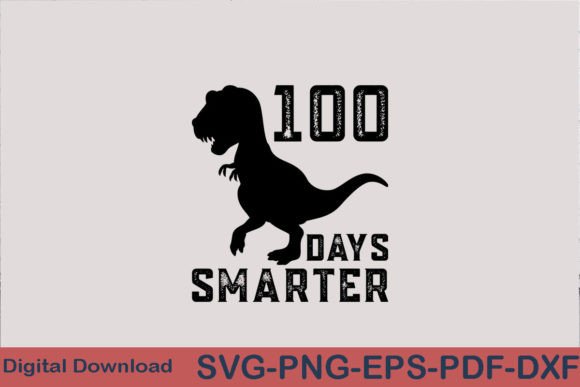
Upon opening the files, which include SVG, Transparent PNG, EPS, PDF, and DXF formats, the immediate strength of this Graphics package is its clarity. The "Smarter" theme suggests growth and achievement, and the layout reflects that confidence. For an embroidery designer, visual hierarchy is everything. If the text competes too heavily with the graphical elements, you end up with a muddy stitch-out where details get lost. Fortunately, this design appears to have distinct separation between elements, which is crucial when converting vector art into a machine embroidery design.
The mood strikes a balance between playful and polished. It avoids the overly chaotic aesthetic that sometimes plagues school-themed clipart, making it suitable for a wider age range. Whether you are targeting kindergarten teachers or older students reflecting on their progress, the design feels adaptable. However, as with any digital asset intended for needlework, the true test lies in the digitizing potential. The lines appear crisp enough to support both satin stitch borders and fill stitch interiors without requiring excessive manual cleanup during the digitizing process.
Real-World Application: The Teacher Tote Project
To truly evaluate this asset, I mentally placed it into a current client request: a custom canvas tote bag for a first-grade teacher celebrating her 100th day. Teachers love personalized gifts, but they also demand functionality. A tote bag design needs to withstand heavy use, washing, and the friction of carrying books.
In this scenario, the 100 Days of School Smarter Svg Design serves as an excellent centerpiece. Because the file includes a high-quality transparent PNG, creating a printable mockup for client approval was instantaneous before I even threaded the machine. For the actual embroidery project, I would utilize the SVG or DXF file to create a hybrid application. Using the design as a guide for an applique design would reduce the overall stitch density, keeping the tote bag lightweight and flexible rather than stiff and bulletproof. The "Smarter" typography provides a perfect opportunity for contrasting thread colors, perhaps using a metallic gold for the number "100" and a matte cotton thread for the text to create tactile interest.
This specific use case highlights why having multiple file formats is non-negotiable for a craft business. The EPS allows for scaling without distortion if the client decides they want a matching embroidered patch later, while the PDF serves as a reliable reference for color matching and placement guides.
Navigating Fabric Variables and Hoop Limitations
While the design is versatile, experienced makers know that context dictates success. When applying this design to custom apparel like sweatshirts or t-shirts, you must consider the fabric texture. Fleece and french terry can swallow fine details. If the "Smarter" text features thin serifs or intricate connectors, I would recommend testing a running stitch outline first or slightly thickening the columns during digitizing to prevent the stitches from sinking into the pile.
For baby embroidery or items intended for young children, safety and comfort are paramount. You cannot have dense, scratchy stitch areas against sensitive skin. Here, the design’s layout allows for strategic open spaces. However, be cautious with hoop size. If you are working with small hoops common on single-needle machines, verify that the aspect ratio of the design fits without distorting the proportions. Stretchy fabrics like ribbed knits require significant stabilization; always use a cut-away stabilizer and potentially a water-soluble topping to keep the lettering legible.
Dark fabrics present another challenge. While the provided transparent PNG helps visualize contrast, remember that thread sheen changes perception. White thread on navy fabric looks different than white ink on navy paper. Always run a test stitch-out on scrap fabric that matches your final project's weight and weave. This step saves hours of frustration and prevents wasting expensive blanks.
Commercial Viability for Etsy Sellers and Shops
For the Etsy seller or boutique owner, this design offers strong commercial potential, provided you do your due diligence. The "100 Days" niche is seasonal but intense. Parents and teachers search specifically for this term starting in late December. Having a polished, professional digital embroidery file ready to go gives you a head start.
However, product value relies on execution. A sloppy stitch-out devalues the entire brand. Ensure your thread colors are vibrant and colorfast, especially for items that will be washed frequently like aprons or kitchen towels. The design’s celebratory nature makes it ideal for holiday embroidery bundles or classroom party favors. If you are selling finished products, photograph them in natural light to show the texture of the stitches. Buyers trust sellers who show the reality of the handmade product, not just the digital rendering.
Crucial Note on Licensing: Before listing any item derived from the 100 Days of School Smarter Svg Design, you must confirm the specific license terms included with your purchase. While the file formats suggest commercial readiness, never assume. Verify whether you can sell physical embroidered items, digital sublimation transfers, or modified versions of the design. Protecting your shop from copyright issues is just as important as the quality of your stitching.
Designer Notes for Optimal Results
Based on my evaluation, here are practical steps to ensure this design performs beautifully in your studio:
- Test Before Committing: Never stitch this directly onto a final garment without a test run. Check registration marks and alignment, especially if combining applique and embroidery.
- Evaluate Text Legibility: If resizing the design smaller than intended, inspect the smallest letters. Text under 4mm often requires simplification or conversion to a satin column to remain readable.
- Stabilizer Selection: Match your stabilizer to the fabric, not just the design. Woven fabrics may need tear-away, while knits demand cut-away. Cap embroidery requires specialized backing to prevent puckering on curved surfaces.
- Mockup Strategy: Use the transparent PNG to create realistic previews for social media. Show the design on various backgrounds (light, dark, textured) to demonstrate versatility to potential customers.
- Thread Contrast: Avoid low-contrast combinations. The message "Smarter" implies clarity; ensure your thread choices reflect that by providing sufficient visual pop against the base material.
- Check File Integrity: Although the package lists high-quality files, always open each format in your software to ensure no nodes were corrupted during transfer. A missing anchor point can ruin a stitch path.
The 100 Days of School Smarter Svg Design is a promising asset for the creative entrepreneur. It bridges the gap between digital convenience and analog craftsmanship. By treating it with the technical respect required for textile art—testing densities, respecting fabric limitations, and verifying licenses—you transform a simple graphic file into a cherished keepsake or a best-selling shop item. Remember, in our industry, the file is merely the blueprint; your skill and attention to detail are what build the house.