Hello 2nd Grade: A Designer’s Embroidery Review
As a professional embroidery designer and product reviewer, I approach every new digital asset with a critical eye. When evaluating the Hello 2nd Grade design for real-world application, my primary concern is not just how it looks on a screen, but how it translates into thread on fabric. This back-to-school graphic arrives as a digital file download containing SVG, PNG, EPS, and DXF formats within a ZIP file. While no physical products are shipped, the versatility of these graphics makes them a staple for crafters and small business owners. However, moving from a vector graphic to a stitched reality requires careful planning. Below is my practical assessment of using this design for custom apparel, personalized gifts, and commercial embroidery projects.
First Impressions and Visual Personality
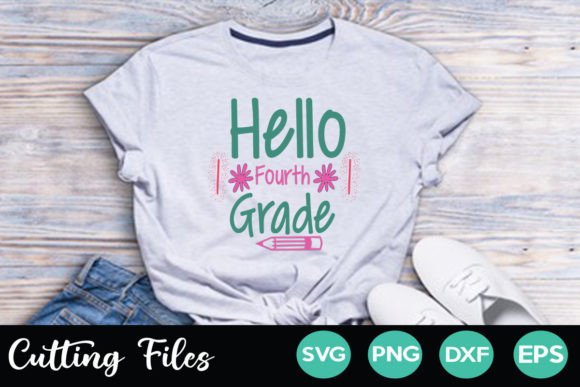
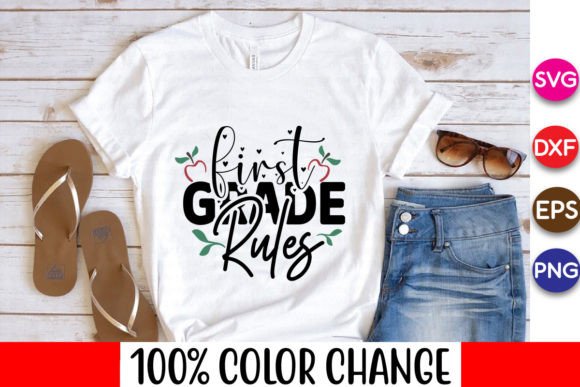
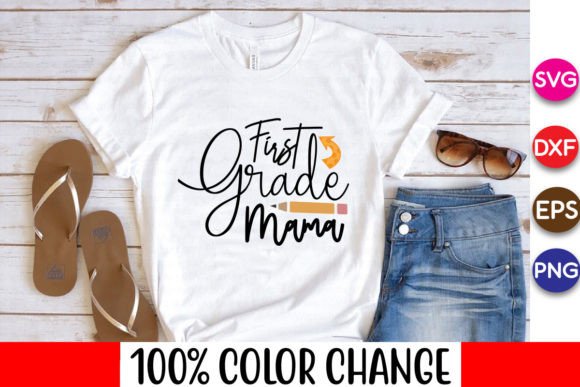
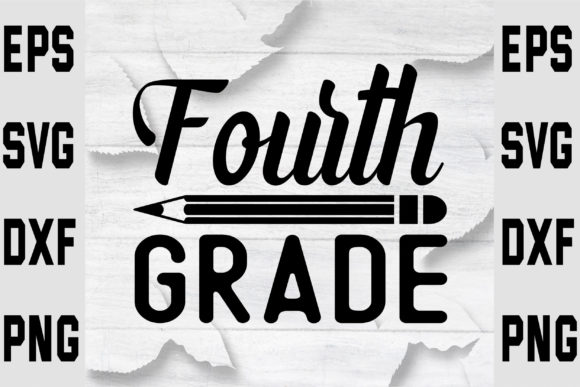
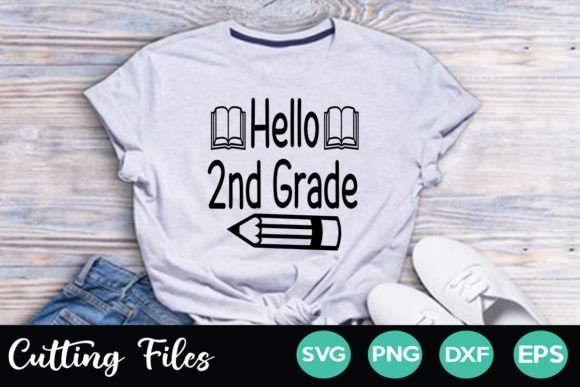
Upon opening the ZIP file, the immediate impression of Hello 2nd Grade is one of youthful enthusiasm and clear readability. The typography and layout suggest a playful yet structured aesthetic that fits perfectly within the Crafts category. For an Etsy seller or handmade shop owner, this visual personality is crucial. It strikes a balance between novelty and legibility, which is essential for school-related merchandise. The design feels optimistic, making it an ideal candidate for first-day-of-school photos or classroom welcome kits. As a graphics asset, the lines appear clean, suggesting that if converted properly into a machine embroidery design, it should maintain its integrity without becoming muddy or overly dense.
Real-World Application: The Custom Sweatshirt Test
To truly evaluate this design, I mentally placed it in a specific production scenario: creating a custom embroidered sweatshirt for a second-grade teacher or student. Sweatshirt embroidery presents unique challenges due to the fleece texture and stretch. In this context, Hello 2nd Grade needs to be bold enough to stand out against the fabric nap but refined enough to look professional.
If utilizing this as an applique design, the shape lends itself well to felt or cotton twill overlays, which can reduce stitch density and prevent the garment from becoming stiff. If executing it entirely in thread, I would recommend a combination of satin stitch for the lettering and fill stitch for any solid graphical elements. The goal is to ensure the finished product feels soft and wearable, not like a bulletproof vest. For a tote bag design, the application is more forgiving. Canvas provides a stable foundation, allowing for higher stitch counts and finer details without the risk of distortion. This makes the design highly versatile for both apparel decorators and makers focusing on accessories.
Navigating Fabric Limitations and Hoop Sizes
While Hello 2nd Grade is visually appealing, practical judgment dictates where it should be used with caution. Not all fabrics are created equal, and this design will perform differently across various substrates.
- Stretchy Fabrics: On performance wear or thin knits, the stitch density must be managed carefully. Without adequate stabilizer, the design could pucker or distort the garment's drape.
- Textured Surfaces: Towels or terry cloth require a water-soluble topping to keep the stitches visible. Fine details in the Hello 2nd Grade graphic might get lost in the pile without this step.
- Small Hoop Sizes: If you are working with a 4x4 hoop size, verify the dimensions before purchasing. Resizing a complex graphic down to fit a smaller hoop can compromise stitch clarity, particularly in tiny lettering or decorative accents.
- Curved Surfaces: For cap embroidery, the design may need modification. Flat graphics do not always digitize well for curved surfaces without specific compensation techniques.
Furthermore, consider the washing requirements. School items like aprons, pillow covers, and baby clothes endure frequent laundering. Ensure your thread colors are colorfast and that the stitch structure is robust enough to withstand wear without unraveling.
Impact on Product Value and Customer Trust
For creative entrepreneurs and small shop products, the quality of your embroidery directly correlates to perceived value. A poorly executed Hello 2nd Grade project can damage brand consistency and buyer engagement. Conversely, a crisp, well-stabilized execution signals professionalism. When customers see clean edges, appropriate thread tension, and thoughtful placement, their trust in your handmade product increases.
This design also offers significant value for digital product sellers. Because the download includes SVG and PNG formats, it serves as excellent source material for printable mockups. Before committing to stitching, you can create realistic previews for your Etsy listings. This allows buyers to visualize the personalized gift or custom apparel before they purchase, reducing return rates and increasing conversion. The ability to offer both the digital embroidery file and the finished physical product expands your revenue streams, provided you have confirmed the licensing terms for commercial embroidery use.
Essential Designer Notes for Success
Before loading Hello 2nd Grade into your machine, adhere to these professional best practices to ensure a high-quality outcome:
- Verify File Specifications: Since the product description specifies a digital download with SVG, PNG, EPS, and DXF formats, confirm whether a dedicated embroidery format (like PES, DST, or JEF) is included or if you must digitize the vector file yourself. Never assume compatibility.
- Test Stitch on Scrap Fabric: Always run a test on the exact fabric and stabilizer combination you intend to use for the final project. Check for registration issues between color changes.
- Evaluate Thread Color Contrast: Test the design in black and white mockups as well as full color. Ensure the design remains recognizable even if the thread colors are changed to match specific school colors.
- Inspect Small Details: Zoom in on the digital file to check for gaps or overlapping elements that might cause needle breaks or thread bunching during production.
- Confirm Licensing: Before selling finished items or using the design in commercial embroidery projects, review the license included in the ZIP file. Respect the intellectual property of the original creator.
- Stabilizer Selection: Match your stabilizer to the fabric weight. Use cut-away for knits and tear-away for wovens to maintain the structural integrity of the Hello 2nd Grade design.
Final Thoughts for Makers and Sellers
Hello 2nd Grade represents a charming opportunity for back-to-season collections, but its success relies entirely on technical execution. Whether you are creating a holiday gift, a boutique product, or a simple patch for a backpack, treat this graphic with the same respect you would give a complex digitization. By understanding the interplay between stitch density, fabric texture, and visual appeal, you transform a simple digital file into a cherished handmade product. Remember that in the world of embroidery and graphics, the difference between a hobbyist result and a professional standard lies in the preparation. Take the time to test, adjust, and refine, and this design will serve as a valuable asset in your creative business toolkit.