Fourth Grade: A Designer’s Embroidery Review
When evaluating a new machine embroidery design for my shop, I look past the digital preview and imagine the needle hitting fabric. The "Fourth Grade" graphic caught my eye not just as a nostalgic school theme, but as a versatile asset for the upcoming holiday season and back-to-school transitions. As a designer who creates everything from custom apparel to boutique merchandise, I need to know if a file will actually stitch out cleanly or if it is merely a pretty picture on a screen. This review breaks down how this specific SVG translates into real-world embroidery projects, handmade products, and commercial goods.
First Impressions and Visual Personality
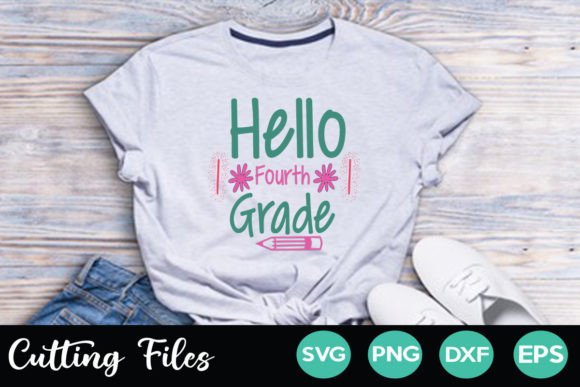
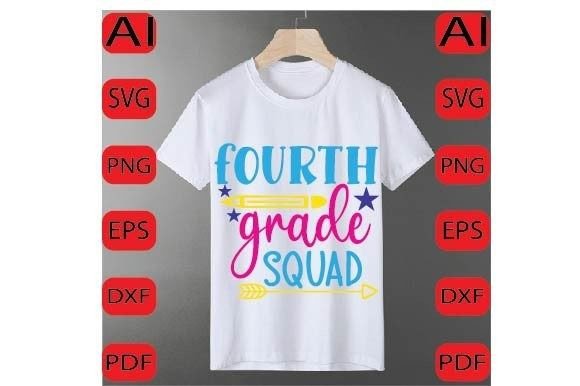
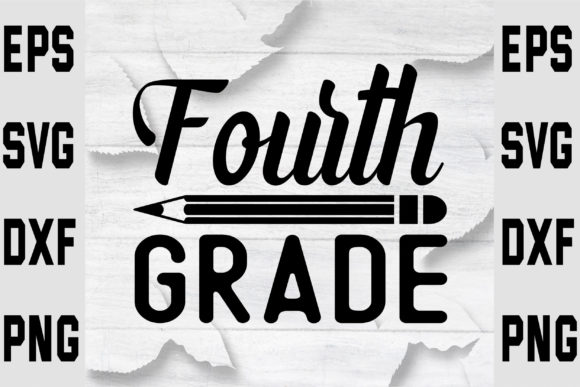
My initial assessment of Fourth Grade focuses on its structural integrity. The design carries a creative, slightly retro academic mood that feels authentic rather than generic. In the world of Crafts and Graphics, school-themed assets often lean too juvenile, but this one strikes a balance that appeals to parents, teachers, and alumni alike. The availability of both black and color variations is a significant advantage for an embroidery digitizer or crafter. The black variation suggests strong contrast potential for satin stitch outlines or minimalist running stitch aesthetics, while the color version opens doors for complex fill stitch areas and vibrant thread colors.
Visually, the layout appears balanced enough to serve as a centerpiece on a sweatshirt or a subtle accent on a tote bag. It does not feel cluttered, which is crucial when converting vector graphics into stitch files. A cluttered design often leads to excessive jump stitches and thread breaks, but Fourth Grade seems to respect negative space. This visual breathing room is what allows a finished product to look professional rather than homemade in the pejorative sense.
Real-World Application: The Holiday Sweatshirt Test
To truly judge this design, I mentally placed it in a current client scenario: creating a batch of holiday crewneck sweatshirts for a local PTA fundraiser. These garments need to withstand washing, feel comfortable against skin, and look high-value to encourage sales. Fourth Grade fits this niche perfectly because it bridges the gap between everyday wear and seasonal celebration.
For this sweatshirt embroidery project, I would likely utilize the color variation to create a festive yet wearable aesthetic. The design’s theme pairs naturally with holiday embroidery motifs, allowing for bundling with snowflakes or holly without competing for attention. On a fleece or cotton blend sweatshirt, the stitch density needs to be managed carefully to prevent puckering. Because Fourth Grade has distinct shapes, it lends itself well to an applique design approach. Using fabric scraps for the main body of the design reduces stitch count significantly, keeping the garment soft and flexible while adding a premium textured look that customers love.
If I were producing these for an Etsy seller listing, the dual nature of the design allows for multiple SKUs from a single asset. A monochrome version works for a subtle, vintage-style personalized gift, while the full-color version serves as a bold statement piece. This versatility directly impacts profit margins and inventory management for small business owners.
Fabric Considerations and Stitching Challenges
No machine embroidery design is universal, and Fourth Grade requires thoughtful placement based on fabric texture and weight. While it looks great on t-shirts and signs digitally, physical application demands caution.
- Stretchy Fabrics: When applying this to jersey knits or performance tees, the stabilizer choice is non-negotiable. The design’s structure could distort on stretchy fabric if not properly supported. I recommend a cut-away stabilizer to maintain shape integrity after washing.
- Textured Surfaces: For items like tea towels or canvas tote bags, the fabric texture can swallow fine details. If Fourth Grade contains tiny lettering or intricate lines, they may get lost in the weave. In these cases, increasing the underlay or simplifying small elements during digitizing is essential for stitching clarity.
- Curved Items: Caps and curved surfaces present unique challenges. If you intend to use this as an embroidered patch or direct cap embroidery, verify the aspect ratio. Designs optimized for flat hoops often distort on curved brims. You may need to resize or re-digitize specifically for headwear to ensure the top and bottom edges remain parallel.
- Dark vs. Light Fabrics: The black variation is stunning on white baby clothes or light linens but invisible on navy or black garments. Always test your thread colors against the actual fabric swatch before committing to a production run. The color variation offers more safety on dark backgrounds, but may require a white underlay base to make the colors pop.
Commercial Viability and Product Value
For craft business owners and creative entrepreneurs, time is money. Fourth Grade performs well commercially because it targets a specific emotional demographic without being overly trendy. It evokes memories and milestones, making it ideal for personalized gifts like memory bears, graduation keepsakes, or teacher appreciation items.
The design’s adaptability enhances buyer engagement. A customer might initially come looking for a simple school graphic but stay because they see Fourth Grade applied creatively on a pillow cover or kitchen towel. This cross-category potential makes it a valuable addition to any digital embroidery file library. However, professionalism hinges on execution. A poorly hooped or tension-imbalanced stitch-out devalues the entire brand. When using this for commercial embroidery, consistency is key. Create a standardized tech pack noting the exact hoop size, thread colors, and stabilizer combination that yielded the best result, ensuring every unit sold meets the same quality standard.
Essential Pre-Stitch Checklist for Makers
Before loading Fourth Grade into your machine for a final product, run through this practical checklist to avoid costly mistakes:
- Verify Licensing: Confirm whether your purchase includes commercial rights for selling finished products or if it is limited to personal use. This distinction is vital for Etsy sellers and shop owners.
- Test on Scrap Fabric: Never stitch directly onto a sellable item first. Use a scrap of the exact same material and stabilizer setup to check for registration issues or density problems.
- Check File Compatibility: Ensure the embroidery file format matches your machine. While the source is an SVG, your machine requires PES, DST, JEF, or similar. Verify the conversion maintained the intended proportions.
- Mockup Validation: Use printable mockups to visualize scale. A design that looks perfect at 4x4 inches might look overwhelming on a baby onesie or too small on an adult hoodie. Adjust sizing relative to the garment dimensions.
- Inspect Small Details: Zoom in on the digital file. Are there gaps between fill stitches and outlines? Is the text legible at smaller sizes? Fix these issues in software before stitching.
- Thread Contrast Check: View the design in grayscale to ensure value separation. If the design relies solely on color hue rather than value contrast, it may look muddy in certain lighting or on specific fabric tones.
Final Thoughts for the Embroidery Community
Fourth Grade stands out as a reliable, emotionally resonant asset for makers who value both aesthetics and functionality. Whether you are crafting a holiday gift, stocking a boutique with custom apparel, or expanding your digital product offerings, this design provides a solid foundation. Its success ultimately depends on your technical execution and understanding of materials. Treat it not just as a graphic, but as a blueprint for a tangible, stitched object. By respecting the interplay between thread, fabric, and design intent, you transform a simple SVG into a cherished handmade product that customers are proud to own and display.