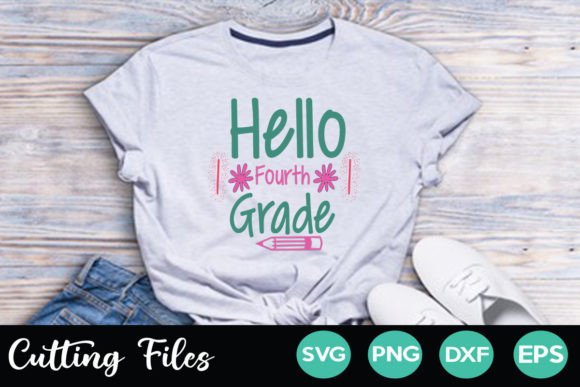
Fourth GRADE Squad SVG Design: An Embroidery Review
As a professional embroidery digitizer and product reviewer, I approach every new graphic asset with a specific question: will this actually stitch out well on fabric? When evaluating the Fourth GRADE Squad Svg Design, my perspective shifts from digital aesthetics to tactile reality. While this file is marketed as an instant download cutting file compatible with machines like Cricut and Silhouette, its bold typography and structured layout make it a compelling candidate for adaptation into a machine embroidery design. For craft business owners and Etsy sellers targeting the back-to-school niche, understanding how this graphic translates to thread is crucial for creating high-value merchandise.
First Impressions and Visual Hierarchy
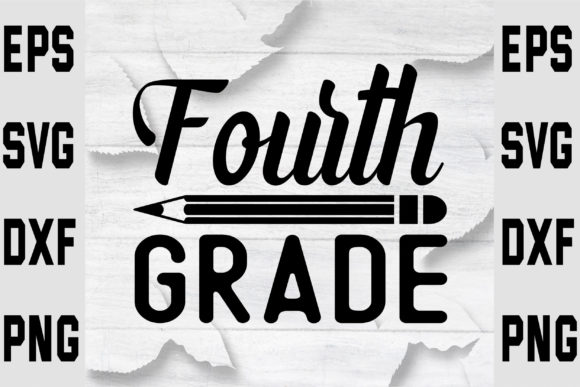
Upon opening the Fourth GRADE Squad Svg Design, the immediate impression is one of collegiate nostalgia mixed with elementary school pride. The visual personality is confident and blocky, which is excellent for readability at a distance. In the world of Graphics and Crafts, legibility is king, especially for apparel. The design features strong, sans-serif lettering that suggests a varsity or athletic aesthetic. From a designer’s viewpoint, this geometric structure is forgiving in embroidery; unlike intricate script fonts that can become muddy when stitched, these bold shapes provide ample surface area for clean satin stitch borders or textured fill stitch interiors.
The mood is celebratory yet organized, making it perfect for end-of-year gifts or teacher appreciation items. However, because this is originally an SVG intended for vinyl cutting, an embroiderer must mentally convert those vector lines into stitch paths. The spacing between letters appears adequate, which reduces the risk of thread breaks or fabric puckering during production. This visual clarity is what ultimately drives customer trust; when a buyer sees a crisp, professional photo of a finished item, they recognize the quality of the underlying design assets.
Real-World Application: The Teacher Sweatshirt Test
To truly evaluate this design, I envision a specific real-life scenario: producing a custom crewneck sweatshirt for a fourth-grade teacher’s "last day of school" celebration. This is a high-demand item for any Etsy seller or small shop product line during May and June. Teachers want comfortable, wearable recognition, not stiff novelty items.
In this application, the Fourth GRADE Squad Svg Design would be centered on the chest or placed across the upper back. Because sweatshirts are typically made of fleece or cotton blends, the design needs to sit flat without distorting the garment's drape. If adapting this SVG for embroidery, I would recommend using a lightweight stabilizer and perhaps incorporating an applique design element for the larger letters to reduce stitch density. A fully stitched solid version might be too heavy for a soft sweatshirt, causing the fabric to bunch. By treating the text as outlines or appliques, the finished product remains soft and retail-ready. This practical adjustment transforms a simple digital file into a premium custom apparel piece that justifies a higher price point than a standard vinyl heat transfer.
Navigating Fabric Limitations and Hoop Constraints
While the design is versatile, it requires careful handling depending on the substrate. Not every project is a stable cotton sweatshirt. When considering baby embroidery or items for younger siblings of fourth graders, the scale becomes a critical factor. Small hoop size limitations can force you to shrink the design, potentially making internal details of the letters too small to stitch cleanly. Always check your machine’s maximum stitching area before committing to a layout.
Textured fabrics present another challenge. On terry cloth towels or pique knit polos, the bold lines of the Fourth GRADE Squad Svg Design could get lost in the pile. In these cases, using a water-soluble topping is non-negotiable to keep the stitches visible. Conversely, on thin or stretchy performance fabrics, the density of a large text design can cause warping. Here, a running stitch outline or a distressed vintage effect (if the SVG supports it) would perform better than a dense satin border. Dark fabrics also demand attention; ensure your thread colors offer sufficient contrast. White thread on navy is classic, but metallic or variegated threads can elevate the perceived value of the embroidered patch or garment.
Commercial Viability and Brand Consistency
For creative entrepreneurs, consistency builds a brand. Using the Fourth GRADE Squad Svg Design across multiple products—such as matching tote bag design sets, caps, and desk organizers—creates a cohesive collection. This cross-product potential is where digital files shine. However, professionalism dictates that you verify licensing. Since the description mentions compatibility with cutting software, confirm whether the license extends to commercial embroidery use or if it is strictly for personal crafting. Selling a digital embroidery file derived from this SVG usually requires a separate commercial license compared to selling physical goods.
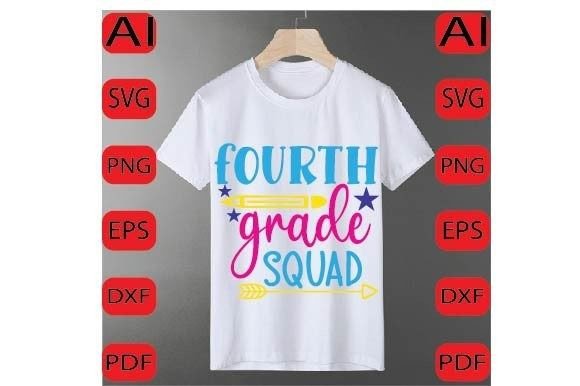
Visual appeal directly impacts sales. Before listing a handmade product, create a printable mockup or stitch a sample on scrap fabric. Photographing the actual texture of the stitches communicates quality far better than a digital rendering. Customers buying personalized gift items need to see how the "GRADE" text aligns with the "SQUAD" text and whether the spacing looks intentional. A sloppy digitization job screams amateur, whereas precise registration signals a reputable craft business.
Essential Designer Notes for Success
Before loading this design into your machine or listing it in your shop, adhere to these practical guidelines to ensure professional results:
- Test Stitch First: Never run a new design directly on a client’s garment. Use scrap fabric similar in weight and texture to your final project to check tension and registration.
- Verify File Compatibility: The product description highlights SVG format for cutters. Ensure you have properly digitized or converted this into a true embroidery file (PES, DST, JEF, etc.) rather than attempting to stitch a raw vector file.
- Check Licensing Terms: Explicitly confirm if the "instant download" includes rights for commercial embroidery or resale of modified digital files. Protect your business by respecting intellectual property.
- Assess Stabilizer Needs: Match your backing to the fabric. Cut-away for knits and stretchy materials; tear-away for stable wovens. This prevents the bold letters from pulling the fabric out of shape.
- Evaluate Text Legibility: If resizing the design down for a cap or sleeve, verify that the inner counters of letters like 'A', 'D', and 'R' do not close up. Minimum letter height should generally be 6mm for readable satin stitch.
- Contrast Check: View your thread color choices in natural light. What looks good on a screen may lack definition on dark fabric. High contrast ensures the message reads clearly in photos and in person.
- Maintain Aspect Ratio: When adjusting the hoop size or placement, lock the aspect ratio to prevent the letters from looking stretched or squashed, which ruins the varsity aesthetic.
The Fourth GRADE Squad Svg Design offers significant potential for makers who understand the translation from screen to stitch. It captures a specific emotional moment in education that resonates with buyers. By applying technical embroidery knowledge to this graphic asset, you move beyond generic crafting into the realm of professional apparel decoration. Whether you are creating a keepsake holiday embroidery piece or stocking your shop with best-selling teacher gear, success lies in respecting the medium. Treat the file as a blueprint, not a finished product, and your work will reflect the quality and care that handmade customers expect. Always prioritize testing and material compatibility to ensure that every stitch honors the sentiment behind the design.