Last Day of First Grade: An Embroidery Design Review
As a professional designer and product reviewer, I approach every new graphic with a specific question: will this actually stitch out well on real fabric? When evaluating the Last Day of First Grade design, my focus shifts immediately from digital aesthetics to physical application. This isn't just another cute seasonal graphic; it is a potential cornerstone for end-of-year custom apparel and personalized gifts. However, transitioning from a digital file to a tangible embroidered patch or sweatshirt requires careful consideration of stitch density, fabric texture, and overall legibility.
First Impressions and Seasonal Relevance
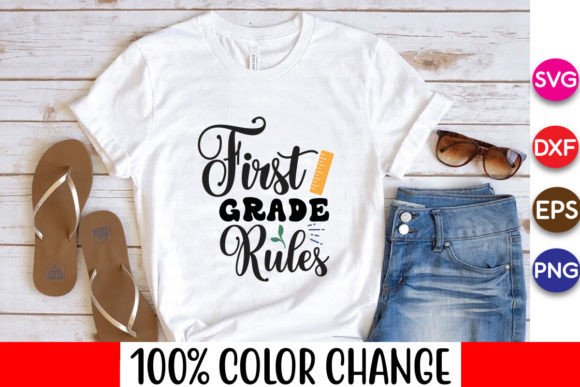
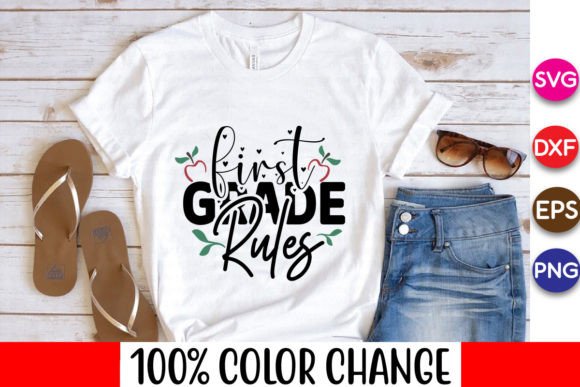
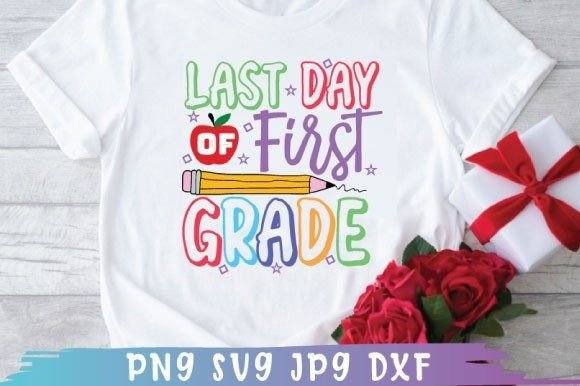
The visual personality of Last Day of First Grade strikes a balance between celebratory nostalgia and youthful energy. For an Etsy seller or small shop owner, this mood is critical. Parents aren't just buying a shirt; they are buying a memory marker. The layout typically suggests a bold, readable hierarchy that works beautifully for photos and social media sharing. From a design asset perspective, the inclusion of SVG, DXF, JPG, and PNG formats indicates versatility. While these are primarily vector and raster graphics for vinyl or sublimation, they serve as excellent blueprints for digitizing a machine embroidery design if you are creating your own stitch files, or for pairing with existing embroidery files for mixed-media projects.
When I look at this composition, I see immediate potential for custom apparel. The theme demands clarity. If the lettering is too ornate or the icons too intricate, the sentiment gets lost in the thread. A successful Last Day of First Grade project relies on high contrast and clean lines that translate well whether you are using satin stitch for outlines or fill stitch for larger color blocks.
Real-World Application: The Custom Sweatshirt Test
To truly evaluate this concept, let’s walk through a real-life scenario. Imagine preparing a batch of personalized crewneck sweatshirts for a local first-grade class party. This is a classic use case for craft business owners during late spring. You select the Last Day of First Grade graphic as your base reference.
In this scenario, the sweatshirt acts as a canvas. Fleece and French terry fabrics have a distinct pile and texture. If your embroidery file has not been optimized for this fabric texture, the details will sink in and disappear. I always advise testing the design on scrap fabric first. For this specific project, I would recommend a cutaway stabilizer to support the weight of the stitches and prevent puckering around the text. The goal is a finished product that looks professional enough for parents to cherish, yet durable enough for a six-year-old to wear to summer camp.
If you are using the provided PNG or SVG to create iron-on vinyl instead of stitching, the same principles of contrast apply. However, for those digitizing this into an applique design, ensure the tack-down stitches are secure but not overly dense, which can cause needle breaks or fabric distortion on stretchy knitwear.
Navigating Fabric Challenges and Technical Limits
Not all substrates are created equal, and Last Day of First Grade designs require strategic placement. Here is where practical judgment matters most:
- Stretchy Fabrics: Knits and jersey materials are popular for kids' clothing but notorious for registration issues. Always use appropriate stabilizer and consider a spray adhesive to keep the fabric taut within the hoop size limits.
- Textured Surfaces: Towels, blankets, and fleece require a water-soluble topping. Without it, the running stitch details in school-themed icons (like pencils or books) will get buried in the nap.
- Small Hoop Sizes: If you are working with a 4x4 hoop, you may need to resize or simplify the design. Reducing a complex graphic below its minimum threshold often results in thread breaks and illegible text. Check your software settings before committing to a stitch-out.
- Dark vs. Light Fabrics: Test your thread colors against both backgrounds. A yellow sun icon might pop on navy blue but vanish on white cotton. High contrast ensures the handmade product remains visually striking in photographs.
I have seen many beautiful digital graphics fail because the crafter ignored the relationship between stitch density and fabric weight. Thin fabrics like quilting cotton can pucker badly if the design is too heavy, while thick denim might require a sharper needle and adjusted tension.
Commercial Viability for Makers and Sellers
For creative entrepreneurs, time is money. Does Last Day of First Grade offer enough value to justify production time? Absolutely, provided you manage expectations. This design category performs exceptionally well for:
- Personalized Gifts: Adding a child's name or teacher's name transforms a generic graphic into a premium keepsake. Just ensure you have the correct licensing for commercial embroidery if you are selling the finished product.
- Boutique Branding: Consistent use of this seasonal theme across tote bags, caps, and shirts builds brand recognition. Customers return to shops that reliably deliver quality holiday embroidery.
- Digital Product Previews: Use the included JPG and PNG files to create realistic printable mockups. Showing customers exactly how the design looks on a baby onesie or apron increases buyer engagement and trust.
However, be transparent about what you are selling. If you are offering the digital embroidery file itself, clearly state compatible machine formats. If you are selling the SVG/DXF/PNG bundle described here, clarify that these are for cutting machines, printing, or manual digitizing references, not pre-digitized stitch files unless specified. Misunderstanding file types is a common pain point for new Etsy sellers.
Designer Notes for Professional Results
Before you load the hoop or fire up the heat press, run through this practical checklist. These steps separate hobbyist attempts from professional-grade merchandise:
- Verify Licensing: Confirm whether the Last Day of First Grade asset allows for commercial use on finished products or digital resale. Protect your business by respecting intellectual property.
- Mockup Testing: Create black and white versions of the design to check value contrast. If it doesn't read well in grayscale, it won't embroider well in low-light conditions.
- Stitch Simulation: If digitizing from the vector file, simulate the stitch path. Avoid excessive jumps and trims. Efficient stitch paths reduce production time and improve the drape of the garment.
- Washability Check: School items get washed frequently. Ensure your stabilizer choice and thread type (polyester vs. rayon) can withstand repeated laundering without fading or fraying.
- Detail Inspection: Zoom in on corners and curves. Sharp angles in block letters need proper pull compensation to avoid gaps after stitching.
Elevating the Finished Product
Ultimately, the success of a Last Day of First Grade project lies in the execution. Whether you are crafting a single commemorative pillow cover for your own child or fulfilling fifty orders for a PTA fundraiser, the attention to detail defines your reputation. The provided graphics offer a fantastic foundation for paper crafts, invitations, and vinyl decals, but when adapted thoughtfully for textile arts, they become something more enduring.
Remember that embroidery adds tactile value that print cannot replicate. The raised texture of a satin stitch border or the soft sheen of fill stitches gives the design a premium feel. By respecting the technical constraints of your machine and the characteristics of your chosen fabric, you transform a simple digital download into a cherished artifact of childhood. Take the time to test, adjust, and refine. Your customers—and the first graders wearing your work—deserve nothing less than your best craftsmanship.