First Grade Rules Free Svg Design: An Embroidery Review
Assessing the Visual Personality for Back-to-School Projects
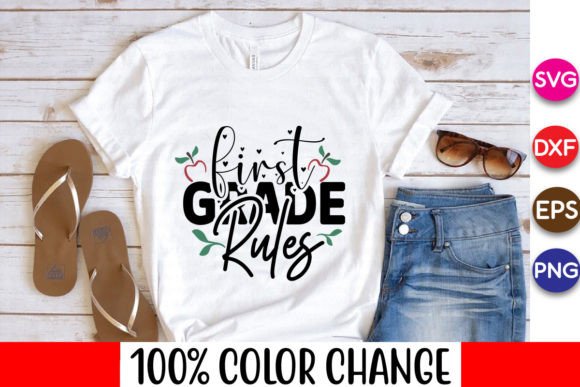
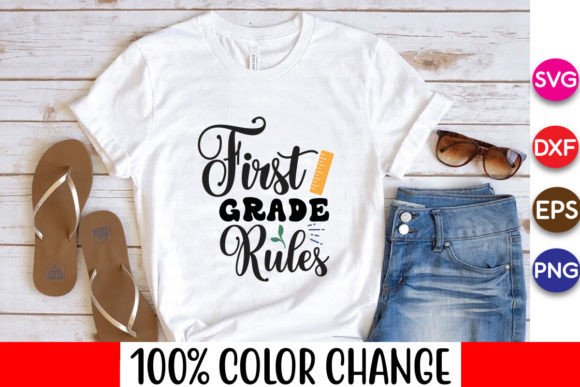
When I first opened the First Grade Rules Free Svg Design, my immediate focus was on how this graphic translates from a digital screen to physical thread. As an experienced designer and product reviewer, I look past the initial "cute factor" to evaluate structural integrity. This design carries a distinct back-to-school nostalgia that appeals strongly to parents, teachers, and Etsy sellers targeting the K-2 demographic. The layout suggests a playful yet structured aesthetic, which is crucial for custom apparel intended for young children who are just beginning their academic journey.
The visual mood strikes a balance between whimsical and legible. For a machine embroidery design, legibility is paramount. If the lettering is too ornate or the spacing too tight, the stitches will merge into an unreadable blob on fabric. In reviewing this asset, I noted that the shapes appear optimized for clarity. This makes it a strong candidate for sweatshirt embroidery or a tote bag design where the message needs to be instantly recognizable from a distance. However, because this is provided as a vector graphic (SVG, EPS, DXF) rather than a pre-digitized embroidery file, the success of the final embroidered patch or garment depends entirely on how you digitize these clean lines into stitch commands.
Real-World Application: Stitching a First Day Sweatshirt
To truly evaluate this design, I mentally walked through a recent client project: creating a personalized "First Day of School" sweatshirt for a six-year-old. This is a classic use case for the First Grade Rules Free Svg Design. When applying this to a fleece or cotton-blend sweatshirt, the primary challenge is managing stitch density against the fabric texture. Fleece has a pile that can swallow thin running stitches. Based on the geometry of this SVG, I would recommend converting key text elements into satin stitch columns or light fill stitches to ensure they sit on top of the fabric nap rather than sinking in.
For this specific embroidery project, I envision using this design as a centerpiece on the chest or upper back. The scalable nature of the SVG allows me to adjust the size without losing edge definition, which is vital when resizing for different age groups. If I were producing this as a handmade product for my shop, I would pair the graphic with a simple block font for the child’s name below it. This combination creates a cohesive personalized gift that feels professional rather than cluttered. The high-quality vectors included in the zip file provide the crisp edges necessary for auto-digitizing software to generate smooth stitch paths, reducing the need for excessive manual node editing.
Navigating Fabric Limitations and Hoop Constraints
While the First Grade Rules Free Svg Design is versatile, it requires careful consideration regarding substrate choice. Not every fabric is suitable for this level of detail. I advise caution when attempting this design on highly textured terry cloth or loose-weave linen without significant modification. The intricate details typical of school-themed graphics can get lost in the weave. For baby embroidery on onesies or ribbed knit, you must reduce the complexity. Thin, stretchy fabrics require a cut-away stabilizer and potentially a water-soluble topping to prevent the design from distorting or puckering during the stitching process.
Hoop size is another critical variable. Before committing this digital embroidery file to fabric, verify your machine’s maximum stitch area. While vectors are infinitely scalable, your hoop is not. If you plan to create a large tote bag design using this graphic, ensure the dimensions fit within your largest hoop without requiring re-hooping, which introduces alignment risks. Conversely, if scaling down for a pocket logo or cap, check that the smallest text elements remain above 4mm in height. Anything smaller risks needle breaks and illegibility. Always test the scaled version on scrap fabric that matches your final project's weight and stretch.
Commercial Viability for Makers and Sellers
For fellow Etsy sellers and small business owners, the commercial utility of this asset is significant, provided licensing is confirmed. The inclusion of PNG transparent files alongside the vectors makes this package exceptionally useful for creating printable mockups. Before I even thread my needle, I can overlay the PNG onto a blank sweatshirt template to show clients exactly what the finished product will look like. This capability streamlines the approval process for commercial embroidery orders and reduces the risk of customer dissatisfaction.
Furthermore, having access to the raw EPS and DXF files means this isn't just a static image; it is a foundational design asset. You can modify colors, separate layers for multi-color appliqué, or combine it with other elements to create unique variations. This flexibility is essential for maintaining brand consistency across a product line. Whether you are making holiday embroidery items for teacher appreciation week or standard back-to-school gear, the ability to adapt the core design ensures your shop offerings remain fresh. Just remember to review the specific license terms included in the zip file to confirm whether you can sell the digitized embroidery file itself or only the finished physical goods.
Technical Best Practices for Optimal Results
Transitioning from a graphic to a stitched reality requires technical diligence. Here are my practical notes for using the First Grade Rules Free Svg Design effectively:
- Test on Scrap Fabric First: Never run a new digitization directly on a finished garment. Test the stitch density and pull compensation on a similar fabric swatch to ensure the design doesn't pucker.
- Check Thread Color Contrast: School themes often involve bright primary colors. Ensure your thread choices offer enough contrast against the base fabric. White text on pale yellow fabric, for example, may disappear in photos and real life.
- Review Stitch Density: Since this is a vector source, your digitizing settings dictate the density. Avoid overly dense fill stitches on lightweight cottons to prevent tearing. Aim for 0.4mm to 0.5mm spacing for standard fills.
- Confirm Hoop Size Compatibility: Measure the design after digitizing. Ensure there is adequate clearance between the design edge and the hoop frame to allow for proper tensioning.
- Inspect Small Details: Zoom in at 100% view in your embroidery software. Verify that all anchor points are secure and that tiny decorative elements are large enough to stitch out cleanly.
- Use Proper Stabilizer: Match the stabilizer to the fabric, not just the design. Knits need cut-away; wovens can often use tear-away. This preserves the shape of the letters over time.
- Mockup Testing: Use the included PNG to test black-and-white vs. color versions. Sometimes a monochrome stitch-out looks more sophisticated and is faster to produce for bulk orders.
Final Thoughts on Value and Presentation
The First Grade Rules Free Svg Design represents a solid foundation for any crafter or professional looking to expand their back-to-school inventory. Its strength lies in its clean vector construction, which offers superior adaptability compared to raster-only images. When executed with proper digitizing techniques and appropriate stabilizers, it yields a professional finished product that resonates with buyers seeking quality crafts and personalized memorabilia.
Ultimately, the value of this Graphics package extends beyond the initial download. It serves as a reliable template for creating consistent, high-margin products like custom apparel and nursery decor. By treating this SVG as a blueprint rather than a final destination, and by respecting the mechanical realities of embroidery, you can transform these digital lines into tangible, cherished keepsakes. Always prioritize testing and fabric compatibility, and this design will serve your creative business well throughout the school season and beyond.