Before School Fuel Svg: An Embroidery Designer Review
As a professional embroidery digitizer and product reviewer, I approach every new graphic with a specific question: will this actually stitch out well on real fabric? When evaluating the Before School Fuel Svg, my assessment goes far beyond the screen. While this file is marketed as a versatile vector graphic compatible with Cricut, Silhouette, Inkscape, and Adobe Illustrator, my focus is strictly on its viability as a foundation for a machine embroidery design. For craft business owners and Etsy sellers targeting the back-to-school niche, understanding how this artwork translates from pixels to stitches is the difference between a bestseller and a production headache.
First Impressions: Visual Mood and Stitch Potential
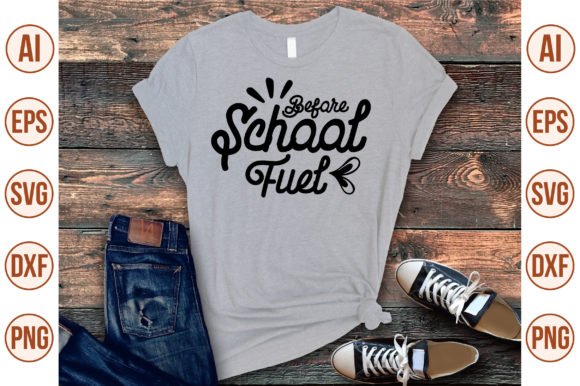
The Before School Fuel Svg immediately evokes a cozy, relatable morning routine aesthetic. The phrase suggests coffee, breakfast, or perhaps a moment of calm before the chaos of the school day begins. Visually, the typography appears balanced, which is critical for embroidery. From a designer’s perspective, the lettering weight looks substantial enough to support a satin stitch without becoming too dense, provided the sizing is appropriate. The layout feels compact, making it an ideal candidate for left-chest placements on sweatshirts or centered designs on tote bags.
However, because this is a vector source file (EPS, DXF, AI) rather than a pre-digitized embroidery file, you have complete creative control—and responsibility. The clean lines in the SVG suggest that converting this into an applique design would be highly effective. The solid shapes can serve as excellent placement guides for fabric applique, reducing overall stitch density while adding texture and color depth that thread alone cannot achieve. This versatility makes it a strong asset for custom apparel and personalized gift markets where tactile quality matters.
Real-World Application: The Coffee Tote Bag Test
To truly judge this design, I mentally placed it on a canvas tote bag intended for teachers or busy parents. A tote bag design needs to be legible from a distance and durable enough to withstand heavy use. In this scenario, the Before School Fuel Svg performs exceptionally well if digitized correctly. The theme resonates deeply with the end-user, creating an instant emotional connection that drives sales for Etsy seller listings and small shop product lines.
For this specific project, I would recommend using the vector paths to create a multi-layered effect. Imagine a cream-colored background fabric appliqued behind dark brown text to mimic a latte. This approach not only enhances the visual appeal but also solves common embroidery challenges on textured canvas. By utilizing the editable nature of the AI and EPS files, you can adjust the spacing or add subtle decorative elements like steam wisps or coffee beans to customize the finished product. This level of customization transforms a generic graphic into a unique handmade product that justifies a higher price point and builds customer trust through perceived value.
Navigating Fabric Challenges and Technical Limits
While the design is charming, practical application requires caution depending on your substrate. Not all fabrics are created equal, and the Before School Fuel Svg will behave differently across materials. Here is where experience dictates success:
- Stretchy Knits and Sweatshirts: This is the most popular use case for sweatshirt embroidery. However, knits are unstable. You must use adequate stabilizer (cut-away is usually best) and consider a water-soluble topping to prevent the stitches from sinking into the fleece. If the lettering in the SVG is thin, increase the column width during digitizing to ensure coverage.
- Textured Fabrics and Towels: For kitchen towels or aprons, the fabric texture can compete with fine details. Avoid tiny serifs or intricate interior cutouts. Simplify the vector nodes before digitizing to ensure the running stitch outlines remain crisp against the terry cloth weave.
- Caps and Curved Surfaces: If adapting this for hat embroidery, remember that horizontal distortion occurs naturally due to the curve. You may need to slightly condense the design vertically in your software so it looks proportionate once stitched on a curved surface.
- Baby Items and Safety: For baby embroidery, avoid dense fill areas that can make garments stiff or scratchy. Also, ensure no small detached elements could pose a choking hazard if threads break. Softness and safety always trump detail in this category.
Impact on Brand Consistency and Commercial Value
For creative entrepreneurs, consistency is key. Using high-quality, editable vectors like the Before School Fuel Svg allows you to maintain brand cohesion across different mediums. Because you possess the source AI and EPS files, you can use the exact same artwork for printable mockup creation, vinyl decals, and embroidery. This cross-platform uniformity strengthens brand recognition and professionalism.
From a commercial standpoint, owning the editable vector means you aren't locked into one size or style. You can scale the design for a large back print or shrink it for a pocket logo without losing quality. This flexibility is invaluable for commercial embroidery businesses fulfilling bulk orders for schools or PTA groups. Furthermore, having access to the original paths allows for easier troubleshooting; if a client requests a font change or color swap, you can modify the source vector and re-digitize instantly, rather than trying to edit a flattened image.
Essential Designer Notes Before You Stitch
Before loading this design into your machine or listing it in your shop, adhere to these professional best practices to ensure the Before School Fuel Svg delivers results that meet your standards:
- Verify Licensing Terms: The product description confirms file compatibility and formats, but it does not explicitly state commercial usage rights for finished goods or digital redistribution. Always confirm licensing before selling design assets or mass-producing items.
- Test on Scrap Fabric First: Never stitch directly onto a final product without a test run. Use a scrap of the exact fabric and stabilizer combination you plan to use. Check for registration issues, puckering, or thread breaks.
- Check Thread Color Contrast: View your digitized file in black and white to assess contrast independent of color. Ensure the design reads clearly even if the thread colors are similar in value. This is crucial for tone-on-tone holiday embroidery or subtle boutique aesthetics.
- Inspect Small Details: Zoom in to 400% in your embroidery software. Any gap smaller than 0.5mm between objects might cause fabric slippage. Merge overlapping areas or add underlay stitches to anchor the fabric securely.
- Confirm Hoop Size Compatibility: Measure the design dimensions after digitizing. Ensure it fits comfortably within your machine’s maximum sewing field with room for hoop clearance. Trying to squeeze a design into a tight hoop size often leads to tension problems and distorted edges.
- Create Accurate Mockups: When listing online, use realistic textures in your digital embroidery file previews. Customers need to visualize how the stitches interact with the fabric grain. Honest representation reduces returns and increases buyer engagement.
The Before School Fuel Svg offers immense potential for makers who understand the translation process from vector to stitch. Its relatable theme and editable format provide a solid foundation for profitable craft business ventures, provided you apply technical diligence. By respecting the limitations of your materials and leveraging the precision of the source files, you can turn this simple graphic into a standout piece of wearable art that customers will cherish throughout the school year and beyond. Remember, great embroidery isn't just about the design file; it's about the thoughtful execution that brings it to life on fabric.