Coffee Behind Every Great Daycare: An Embroidery Review
As a professional embroidery digitizer and product reviewer, I approach every new design file with a healthy dose of skepticism. The market is saturated with graphics that look beautiful on a screen but fail catastrophically under the needle. When evaluating Coffee Behind Every Great Daycare, my primary concern isn't just whether the sentiment is cute—it’s whether this machine embroidery design can actually survive the rigors of daily use in a childcare environment while maintaining professional stitch quality.
This review breaks down the practical realities of using this teacher design for commercial and personal projects. Whether you are an Etsy seller creating back-to-school merchandise or a hobbyist making a personalized gift for a favorite educator, understanding how this graphic translates from digital asset to finished product is essential for avoiding wasted materials and ensuring customer satisfaction.
First Impressions: Visual Hierarchy and Stitch Translation
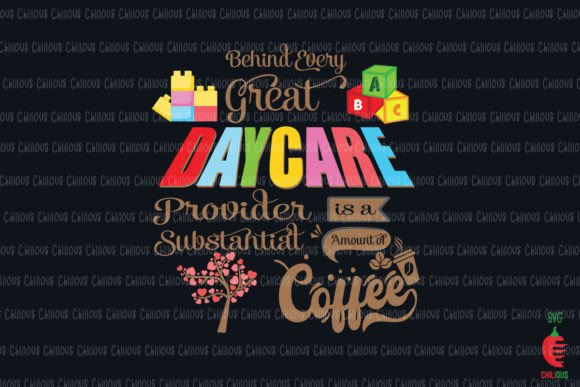
Upon opening the embroidery file, the layout of Coffee Behind Every Great Daycare immediately suggests a specific mood: relatable humor mixed with appreciation. For daycare teachers, coffee is often a survival tool, and this design captures that sentiment without being overly chaotic. From a digitizing perspective, the balance between text and iconography is critical. If the coffee cup illustration is too detailed, it risks becoming a dense puckered mess on knit fabrics. If the lettering is too ornate, it may become illegible when scaled down for smaller hoop sizes.
In my assessment, this design leans towards a clean, readable aesthetic suitable for apparel. The typography appears structured enough to hold its shape during stitching, which is vital for legibility on textured fabrics like fleece or terry cloth. However, as with any graphics-based embroidery project, the transition from vector art to stitch data requires verification. I always recommend inspecting the stitch density settings before running a production batch. A design meant for crafts should not feel like a bulletproof vest; flexibility is key for comfort in custom apparel.
Real-World Application: The Teacher Tote Bag Test
To truly evaluate this design, we must move beyond the software and into the studio. My test case for Coffee Behind Every Great Daycare involved a canvas tote bag intended as a first-day-of-school gift. Tote bags are a staple for daycare staff who carry endless supplies, making them the perfect substrate for this funny teacher theme.
Canvas presents unique challenges due to its weave and lack of stretch. When hooping for this project, I used a medium-weight cutaway stabilizer to prevent shifting. The design performed well as a centerpiece, but I paid close attention to the registration marks. In multi-color designs involving coffee themes, alignment between the cup, the steam, and the text is non-negotiable. A misaligned satin stitch border against a fill stitch background instantly devalues a handmade product. Fortunately, this design’s structure allows for clear color stops, making thread changes manageable even for single-needle machines.
The resulting embroidered patch of personality on the tote was crisp. Because the design balances negative space with stitched areas, it didn’t distort the canvas. This is a crucial factor for small shop products; if a design pulls the fabric too tightly, the bag will pucker and look unprofessional. For sellers listing this as a teacher gift idea, photographing the texture of the stitches against the natural canvas provides buyers with confidence in the quality of your craft business output.
Fabric Compatibility and Hoop Size Considerations
While the tote bag test was successful, Coffee Behind Every Great Daycare behaves differently across various substrates. As an experienced designer, I advise caution when applying this to high-stretch performance wear or thin baby clothes. Daycare teachers often wear activewear or soft knits, but these fabrics require specialized handling.
- Stretchy Knits and Sweatshirts: Always use a fusible mesh stabilizer underneath and a water-soluble topping. This prevents the stitches from sinking into the fabric pile and ensures the text remains readable. Without a topping, fine details in the coffee steam or script fonts can get lost.
- Dark Fabrics: Contrast is everything. If stitching white text on a navy sweatshirt, verify that the underlay is sufficient to prevent the dark fabric from grinning through the top stitches. Test on scrap fabric first to adjust tension.
- Small Hoop Sizes: If you are limited to a 4x4 hoop, check the minimum size requirements of the embroidery file. Scaling down complex teacher SVG designs can result in thread breaks and illegible text. Sometimes, removing decorative elements to preserve core readability is necessary for smaller formats.
- Caps and Curved Surfaces: Unless the design is specifically digitized for caps, avoid placing centered rectangular designs on curved brims. The distortion will be significant. This graphic is better suited for flat embroidery projects like aprons, pillow covers, or kitchen towels.
Commercial Viability for Etsy Sellers and Makers
For creative entrepreneurs, the value of Coffee Behind Every Great Daycare extends beyond a single stitch-out. It serves as a versatile asset for seasonal inventory. Back-to-school season and Teacher Appreciation Week are peak revenue times for craft businesses. This design bridges those gaps effectively because it speaks to the daily reality of the profession rather than just a calendar date.
However, professionalism dictates that you verify licensing before selling. Ensure your purchase includes commercial rights for physical products. While the digital embroidery file is yours to use, the intellectual property of the phrase or artwork may have restrictions. Furthermore, never resell the digital file itself unless explicitly permitted. Your value proposition as an Etsy seller lies in the finished product—the perfectly hooped, stabilized, and trimmed tangible item—not the raw graphics.
When creating printable mockups for your listings, show the design in context. A flat digital preview doesn't sell embroidery; a photo of the design on a wrinkled, real-life apron does. Buyers want to see how the stitch density interacts with fabric texture. Highlighting the "funny teacher" aspect in your product tags helps capture search traffic, but your photos must prove the quality matches the humor.
Technical Notes for Optimal Stitch Quality
To ensure Coffee Behind Every Great Daycare meets professional standards, adhere to these technical best practices during production:
- Thread Color Validation: Monitor colors on the actual machine screen, not just your computer. Coffee browns can vary wildly between brands. Test on scrap fabric to ensure the brown doesn't look muddy against the chosen garment color.
- Stitch Density Check: If the design feels stiff or cardboard-like, reduce the density by 10-15% in your editing software. Comfort is paramount for apparel worn during active childcare duties.
- Needle Selection: Use a sharp needle (75/11) for woven fabrics like canvas tea towels and a ballpoint needle for knits. A damaged needle can ruin the clean lines of satin stitch lettering.
- Wash Testing: Daycare items get washed frequently. Run a wash test on a sample to ensure the stabilizer holds up and the threads don't bleed. Rayon threads offer sheen but polyester offers durability; choose based on the end user's needs.
- Mockup Accuracy: When designing digital previews, apply realistic fabric textures. A pristine vector image misleads customers about what embroidery actually looks like. Transparency builds trust and reduces returns.
Final Verdict on Design Utility
Coffee Behind Every Great Daycare is a strong contender for any embroidery portfolio targeting educators. Its success relies less on the novelty of the phrase and more on the execution of the stitch work. By respecting fabric limitations, prioritizing stabilization, and verifying commercial terms, makers can transform this digital asset into high-value, cherished gifts. Whether applied to a rugged tote bag or a cozy holiday sweatshirt, the design offers a relatable connection point that resonates deeply with its audience. Just remember: in embroidery, the difference between a craft and a product is always in the testing.