Luckiest Kindergarten Teacher Design Review
As a professional embroidery digitizer and product reviewer, I approach every new machine embroidery design with a critical eye toward production viability. When evaluating the "Luckiest Kindergarten Teacher" graphic for potential use in custom apparel and personalized gifts, my primary concern is how this digital asset translates from screen to fabric. While the product listing highlights its utility as an SVG, PNG, DXF, and EPS file for cutting machines like Cricut and Silhouette, makers in the Crafts category often adapt these vector-based Graphics for mixed-media projects or require specific insights on how to integrate them into textile work. My assessment focuses on the visual hierarchy, stitchability if converted, and overall market appeal for small business owners targeting the education niche.
Visual Personality and Emotional Resonance
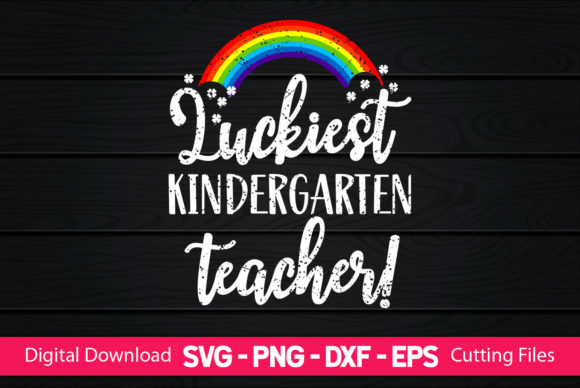
The first impression of the Luckiest Kindergarten Teacher design is one of warmth and nostalgic appreciation. In the realm of teacher appreciation merchandise, avoiding generic clip-art aesthetics is crucial for establishing customer trust and perceived value. This design succeeds by balancing playful typography with a clean layout that feels intentional rather than cluttered. For an Etsy seller or boutique owner, this visual clarity is essential. It communicates professionalism immediately, suggesting that the finished product will look high-end rather than homemade.
From a design perspective, the shape and flow suggest excellent versatility. The layout appears balanced enough to serve as a central focal point on a tote bag or sweatshirt without overwhelming the garment’s negative space. This balance is vital for custom apparel, where the design must complement the wearer's silhouette. If you are creating printable mockups for your shop listings, this design’s distinct lines and readable text will likely photograph well, ensuring that your digital previews accurately represent the physical item. For those using this strictly as a cut file for heat transfer vinyl (HTV), the legibility remains the strongest asset, ensuring the message is readable from a conversational distance.
Real-World Application: The Custom Sweatshirt Scenario
To truly evaluate this asset, let us consider a real-life production scenario: creating a premium crewneck sweatshirt for a kindergarten teacher’s end-of-year gift. In this context, the Luckiest Kindergarten Teacher design serves as the emotional anchor of the piece. If I were producing this, I would assess whether the design elements can withstand the texture of fleece or French terry fabric.
For makers adapting this vector graphic into an embroidery file, the lettering style dictates the digitizing strategy. Bold, sans-serif fonts typically found in this genre translate beautifully to satin stitch columns or dense fill stitches. However, if the design includes intricate flourishes or thin connecting lines, those areas may require modification to prevent thread breaks or tension issues on stretchy knit fabrics. As a sweatshirt embroidery project, stability is paramount. I would recommend testing the placement on a scrap of similar weight fabric first. If utilizing the provided SVG format for HTV instead, the weeding process becomes the practical test; complex inner loops in script fonts can be time-consuming and prone to tearing during application. Understanding these physical limitations ensures the final handmade product meets client expectations.
Navigating Fabric Constraints and Technical Limits
Not all substrates are created equal, and the Luckiest Kindergarten Teacher design requires thoughtful placement depending on the material. When working with textured fabrics like canvas tote bags or linen tea towels, fine details can get lost. If you are converting this graphic for needle and thread, ensure that any applique design elements have adequate tack-down stitches to prevent fraying against the rougher weave. Conversely, when applying this design via vinyl to smooth cotton or performance blends, heat pressure and dwell time must be calibrated perfectly to avoid scorching while ensuring adhesion.
I advise extreme caution when using this design on dark fabrics without proper contrast planning. While the digital file may look vibrant on a white background, stitching or pressing light-colored graphics onto navy or black garments requires checking opacity and coverage. For embroidery, this means verifying thread colors against the fabric swatch before running the full job. For vinyl users, it means selecting opaque materials that won't appear washed out. Additionally, consider the hoop size or press platen dimensions relative to the design scale. Scaling a design up for a large back print is generally safe with vectors, but scaling down for a pocket logo or baby onesie can compromise legibility. Always verify the minimum readable size before committing to bulk production.
Commercial Viability for Makers and Sellers
For creative entrepreneurs and craft business owners, the value of Luckiest Kindergarten Teacher extends beyond a single project. It represents a scalable asset for seasonal inventory. Teacher appreciation week, back-to-school season, and retirement celebrations provide multiple revenue windows. The design’s specific phrasing targets a high-emotion buyer persona, which typically correlates with higher conversion rates for personalized gift items.
However, commercial success relies on differentiation. Since this is a digital download available to many, your value add comes from execution and presentation. Pairing this design with unique colorways, premium blanks, or complementary personalization (such as adding the teacher's name or years of service) transforms a standard graphic into a bespoke treasure. When listing on platforms like Etsy, use high-quality photos of the actual stitched or pressed item rather than relying solely on digital renders. Buyers want to see how the design interacts with fabric texture and drape. Furthermore, always confirm licensing terms included with your purchase. Ensure you have the right to sell finished products versus just the digital file itself, as this distinction protects your shop from intellectual property disputes.
Essential Pre-Production Checklist
Before launching a new collection featuring this design, run through this practical verification list to minimize waste and maximize quality:
- Test on Scrap Material: Never run a final production piece without a test stitch-out or press on identical fabric to check tension, adhesion, and scale.
- Verify File Compatibility: Confirm that the SVG, PNG, DXF, or EPS file opens correctly in your specific software version, whether it is Embird, Hatch, Cricut Design Space, or Silhouette Studio.
- Check Stabilizer Requirements: Match your backing and topping to the fabric weight; knits need cut-away stabilizer, while wovens often suffice with tear-away.
- Assess Detail Clarity: If digitizing for embroidery, ensure text height exceeds 4mm for legibility; if cutting vinyl, ensure blade depth is adjusted for intricate corners.
- Review Color Contrast: Test the design in both full color and grayscale to ensure it reads well regardless of thread or vinyl availability.
- Confirm Washability: Validate that your chosen threads, vinyl, or adhesives can withstand frequent laundering, as teacher apparel is often worn weekly.
- Audit Licensing: Re-read the product description to confirm commercial use rights for both physical goods and digital mockups.
Final Thoughts on Production Value
The Luckiest Kindergarten Teacher design offers a strong foundation for meaningful, marketable crafts. Its success in your shop depends less on the digital file itself and more on your technical proficiency and creative adaptation. Whether you are stitching a heartfelt patch, pressing a custom tee, or designing a nursery decor item, treat this graphic as a starting point for quality craftsmanship. By respecting fabric limitations, testing rigorously, and presenting your work professionally, you elevate a simple digital download into a cherished keepsake that honors educators with the dignity they deserve. Remember that in the world of handmade goods, consistency and attention to detail are what turn one-time buyers into loyal patrons of your brand.