School Nurse SVG in Progress Loading: A Stitch Review
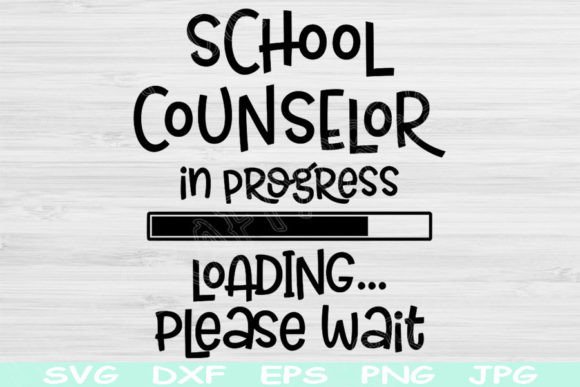
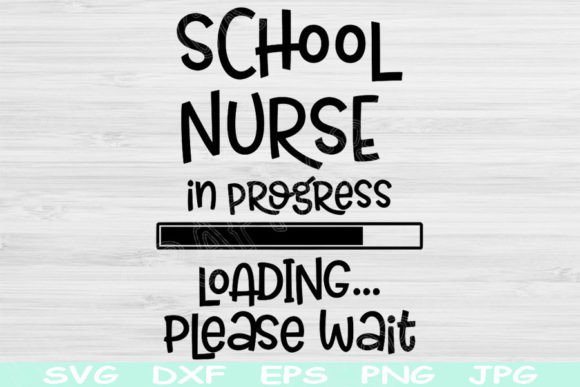
As a designer who spends more time behind an embroidery machine than a computer screen, I approach every new digital asset with a healthy dose of skepticism. When evaluating the School Nurse Svg in Progress Loading Dxf, my first thought isn't about how cute it looks on a monitor; it is about how those vectors will translate into thread tension and fabric stability. This design captures a specific, relatable humor for medical professionals in education, featuring the familiar "loading" bar motif alongside the text "School Nurse in Progress Loading Please Wait." While the product description highlights its suitability for shirts and mugs, my review focuses strictly on its viability as a machine embroidery design for professional and hobbyist creators.
Translating Digital Humor to Thread
The visual personality of this graphic is inherently modern and playful. The juxtaposition of a clinical title like "School Nurse" with a tech-inspired loading bar creates an immediate emotional connection. For an Etsy seller or craft business owner, this mood is gold. It moves away from sterile medical imagery and embraces the chaotic, human reality of school healthcare. However, translating this mood requires careful consideration of stitch types. The loading bar itself presents a unique challenge. If rendered as a dense satin stitch, it risks becoming too rigid on lightweight fabrics. In my assessment, this element works best as a fill stitch or even a minimalist running stitch outline to maintain the garment's drape.
The typography is equally critical. "In Progress" and "Please Wait" are secondary text elements that must remain legible at smaller sizes. As an embroidery file, these lines need adequate spacing between letters to prevent thread buildup. If you are planning a sweatshirt embroidery project, the boldness of the font likely holds up well. However, for smaller applications like a pocket logo or sleeve detail, verify that the digitizer has accounted for thread thickness. Text that looks crisp in a vector program can easily become a muddy blob once needle penetration and fabric texture are introduced.
Real-World Application: The Custom Sweatshirt Test
To truly judge this design, I mentally placed it in a real-life production scenario: creating a custom crewneck sweatshirt for a school nurse appreciation gift. Sweatshirts are a staple custom apparel item, but their fleece backing and stretchy knit structure demand respect. The School Nurse Svg in Progress Loading Dxf fits this canvas beautifully because the horizontal orientation of the loading bar complements the wide chest area of a crewneck.
In this scenario, I would treat this as a centerpiece design rather than a small accent. The humor relies on readability, so scaling it down too much defeats the purpose. For a handmade product intended as a personalized gift, I recommend positioning the design slightly higher than center-chest to account for how the garment sits when worn. If the design includes an applique option for the background shape, this is the ideal moment to use it. Applique reduces overall stitch density, making the final finished product softer and more comfortable against the body—a crucial factor for nurses who wear these garments for twelve-hour shifts.
From a commercial perspective, this design has strong potential for small shop product lines. It targets a niche audience with high recognition value. When listing this as part of a commercial embroidery collection, ensure your printable mockup accurately represents the stitch texture. Customers trust sellers who show realistic previews rather than flat digital overlays. Showing the design on a textured fleece background in your listing photos demonstrates that you understand the end product, boosting buyer engagement and confidence.
Navigating Fabric Limitations and Hoop Constraints
While versatile, this design is not immune to physical limitations. Experienced makers know that not all fabrics forgive poor digitizing or improper stabilization. Here is where you must exercise caution:
- Stretchy Knits and Performance Wear: Many nurses prefer moisture-wicking performance tees. These fabrics are notoriously unstable. If using this digital embroidery file on performance wear, you must use a high-quality cut-away stabilizer and potentially a topping to prevent the "loading" bar from sinking into the fabric weave.
- Curved Surfaces: Adapting this horizontal layout for caps or curved tote bags requires distortion correction. The straight lines of the loading bar will appear curved on a cap unless the embroidery project is specifically digitized for cylindrical hoops. Do not assume a flat file will stitch correctly on a hat without testing.
- Dark Fabrics: The product description mentions mugs, but for apparel, contrast is king. If stitching white text on a navy scrub top, ensure the underlay is sufficient to prevent the dark fabric from showing through the stitches. Conversely, on light fabrics, avoid excessive underlay that creates unnecessary bulk.
- Small Hoop Sizes: If you are limited to a 4x4 hoop, resizing this design may compromise the text clarity. Always check the minimum recommended size before reducing. Tiny lettering in "Please Wait" may need to be removed or simplified for micro-hoops.
Professional Protocols for Production Success
Before committing this School Nurse Svg in Progress Loading Dxf to a sellable item or cherished gift, adhere to these professional verification steps. They distinguish a hobbyist from a reliable apparel decorator:
- Test Stitch on Scrap: Never skip this step. Use a scrap of the exact fabric you intend to use for the final piece. Check if the loading bar pulls the fabric or if the text remains open and legible.
- Verify Licensing: The product description states it is perfect for making items, but always confirm the specific license terms regarding design assets. Ensure you have the right to sell finished custom apparel versus just personal use.
- Check Format Compatibility: While DXF is mentioned, most embroidery machines require PES, DST, or JEF. Confirm your conversion software maintains the integrity of the original vectors during translation.
- Evaluate Washability: School nurse apparel undergoes frequent industrial laundering. Inspect the stitch density to ensure it can withstand harsh washing cycles without fraying. A denser border around the design can sometimes help anchor edges on high-wear items.
- Mockup Validation: Create both light and dark background mockups. This helps you visualize thread color changes needed for different garment options in your shop.
Final Assessment for Makers and Sellers
The School Nurse Svg in Progress Loading Dxf offers a delightful blend of professional identity and internet-age wit. Its strength lies in its relatability, making it a prime candidate for holiday embroidery gifts, staff appreciation week merchandise, or boutique nursing apparel. However, its success depends entirely on the maker's technical execution. By respecting fabric texture, choosing appropriate stitch types for the loading bar motif, and validating legibility across different hoop sizes, you transform a simple graphic file into a high-value embroidered patch or garment decoration.
For the creative entrepreneur, this design represents more than just a cute saying; it is an opportunity to demonstrate quality craftsmanship in a niche market. Whether you are producing a single baby embroidery keepsake for a nurse's child or fulfilling a bulk order for a school district, treating this file with professional scrutiny ensures the final result honors both the design intent and the wearer. Always remember that in the world of Crafts and Graphics, the digital preview is merely a promise; the stitched reality is what builds your reputation.