Teacher Bunny SVG: Easter Embroidery Design Review
As a professional embroidery digitizer and product reviewer, I approach every new machine embroidery design with a critical eye. When evaluating the Teacher Bunny SVG for Easter projects, my first thought isn't just about how cute the graphic looks on a screen, but how it will translate into physical stitches. This design captures a specific seasonal mood that blends educational warmth with springtime cheer, making it a prime candidate for custom apparel and personalized gifts. However, moving from a digital vector file to a tangible finished product requires understanding the nuances of stitch types, fabric behavior, and commercial viability.
Translating Vector Graphics to Stitched Reality
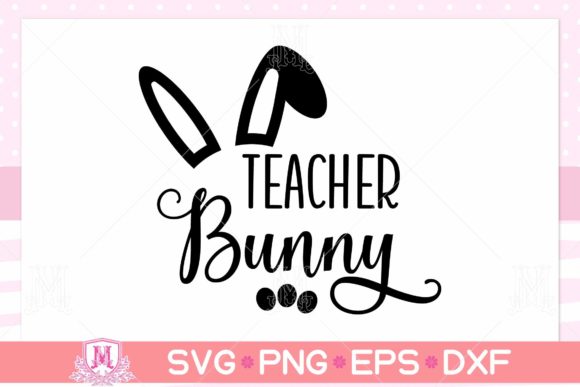
The Teacher Bunny SVG, Easter, Happy Easter collection arrives as a digital asset, typically including SVG and PNG files. For print-on-demand sellers, these formats are ready for sublimation or vinyl. But for us in the embroidery project space, this graphic serves as a blueprint. The visual personality of this design suggests clean lines and distinct shapes, which is excellent for digitizing. A cluttered design often fails in thread; this bunny’s silhouette appears optimized for conversion into an applique design or a combination of satin stitch borders and fill stitch interiors.
When I look at this artwork, I see immediate potential for sweatshirt embroidery and tote bag design. The theme resonates deeply with teachers, parents, and students during the spring season. Unlike generic Easter clipart, the "Teacher" aspect adds a layer of niche specificity that performs exceptionally well for Etsy sellers and small shop products. It strikes a balance between professional appreciation and holiday fun, avoiding the overly juvenile aesthetic that sometimes limits the marketability of holiday embroidery.
Real-World Application: The Custom Tote Bag Test
To truly judge this design, I mentally walked through a recent client request: a personalized canvas tote bag for an elementary school teacher's Easter basket. Canvas is a sturdy, textured fabric that demands respect. If the stitch density is too high, the needle perforations can weaken the fabric or cause puckering. If it is too low, the design looks sparse and cheap against the coarse weave.
For this tote bag design, the Teacher Bunny SVG provides a solid foundation. I would recommend digitizing the bunny body as a felt or cotton applique to reduce stitch count and add tactile interest, while using a running stitch for internal details like whiskers or glasses. The text "Happy Easter" needs careful consideration. On a tote bag, you have ample hoop space, allowing for legible lettering. However, if adapting this for a smaller item like a baby onesie or a pocket logo, the text must be simplified. Tiny lettering often turns into illegible thread blobs unless the embroidery file is specifically redigitized for small hoops. In my test scenario, the design’s layout allows for flexible scaling, provided the digitizer adjusts the underlay and compensation settings for the specific fabric texture.
Navigating Fabric Challenges and Hoop Limitations
While the Teacher Bunny SVG is versatile, not all applications are created equal. As experienced makers know, a design that shines on cotton quilting fabric might fail on stretchy knits or dark garments. Here is where practical judgment matters most:
- Stretchy Fabrics: If using this for baby embroidery on knit onesies or performance tees, the design requires adequate stabilizer. A cut-away stabilizer is non-negotiable here to prevent the bunny from distorting after washing. The SVG’s clean lines help, but without proper support, the registration between the applique and the satin border will drift.
- Dark Fabrics: The provided PNG is likely a standard preview. For dark sweatshirts or navy caps, ensure your digitized version includes a white underlay or knockdown stitch. Without this, the fabric grain will show through lighter pastel thread colors, diminishing the visual impact of the handmade product.
- Curved Surfaces: Caps and tumblers present unique geometry. While the product description mentions tumblers, remember that embroidery on curved surfaces requires specialized hooping. If the bunny design is tall and narrow, it may fit a cap front perfectly. If it is wide and round, it might distort on a curved brim. Always test the aspect ratio before committing to commercial embroidery runs on headwear.
- Small Hoop Sizes: Be wary of shrinking this design below 3 inches. Detailed elements like eyes, buttons, or intricate floral accents in the SVG may become dense thread knots. For 4x4 hoop users, consider isolating just the bunny head or removing secondary decorative elements to maintain clarity.
Commercial Viability for Makers and Sellers
For creative entrepreneurs and craft business owners, time is money. The Teacher Bunny SVG, Easter, Happy Easter design offers strong ROI potential because it targets a passionate demographic. Teachers love celebrating milestones, and parents love buying teacher gifts. However, professionalism separates hobbyists from brands. When listing items featuring this design, your printable mockup should accurately represent the final stitch-out. Do not use the flat vector image as the primary photo for embroidered goods; it misleads buyers and erodes trust.
Furthermore, verify your licensing. The product description states it is a digital product for use on various items, but always confirm whether the license covers digital embroidery file resale versus finished physical product sales. Most designers allow you to sell the embroidered tote or shirt but prohibit selling the DST or PES file itself. Respecting these terms protects the ecosystem of design assets we all rely on. From a branding perspective, consistency is key. If you use this bunny for a teacher appreciation line, pair it with complementary fonts and color palettes across your shop to build recognition.
Essential Pre-Stitch Checklist for Success
Before loading this design into your machine for a client order or shop stock, run through this practical evaluation protocol. Skipping these steps is the difference between a premium personalized gift and a wasted garment.
- Test on Scrap Fabric: Never assume the default settings work. Stitch out the design on a scrap piece of the exact material you intend to use. Check for gaps between the applique and the outline.
- Evaluate Thread Contrast: Pastel Easter colors can blend together. Ensure there is sufficient contrast between the bunny, the background fabric, and the text. Test in natural light, not just under machine LEDs.
- Review Stitch Density: Feel the back of the test swatch. Is it bulletproof? Excessive density causes needle breaks and fabric distortion. Adjust pull compensation if the design shrinks horizontally.
- Confirm Hoop Size Compatibility: Measure the actual stitch area. Digital dimensions can sometimes differ from machine-readable boundaries. Ensure you have adequate margin for your specific hoop.
- Check Licensing for Commercial Use: Re-read the terms included with your download. Document your permission to use the Teacher Bunny SVG for profit to safeguard your business.
- Mockup Validation: Create a realistic preview showing the design on the actual product type. If selling embroidered patches, show it on denim. If selling mugs, show the sublimated version. Accuracy reduces returns.
Final Thoughts on Design Integrity
The Teacher Bunny SVG, Easter, Happy Easter is more than just a seasonal graphic; it is a versatile asset for the maker community. Its strength lies in its adaptability across Crafts and Graphics categories, serving both digital printers and needle artists. By approaching this design with technical awareness—respecting fabric limitations, optimizing stitch structures, and maintaining commercial integrity—you elevate the perceived value of your work. Whether you are creating a cherished keepsake for a favorite educator or building a best-selling Easter collection in your Etsy shop, success comes from bridging the gap between digital artistry and textile reality. Always let the quality of your execution honor the charm of the original design.