Teacher Mode SVG: A Designer’s Embroidery Review
As a professional embroidery digitizer and product reviewer, I approach every new digital asset with a healthy dose of skepticism. When I first opened the Teacher Mode Svg Printable Cut File, my immediate thought was not about how it looks on a screen, but how it will translate under the needle. In the world of Crafts and Graphics, there is often a disconnect between a crisp vector file and a tangible, stitched reality. This review evaluates this specific design from the perspective of a maker preparing for real-world production, focusing on stitch integrity, commercial viability, and practical application for small business owners and Etsy sellers.
First Impressions: Visual Personality and Stitch Potential
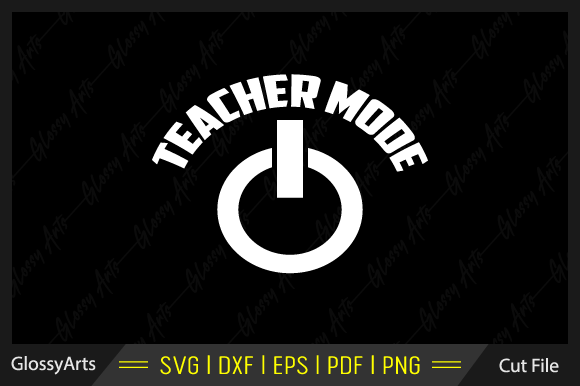
The initial mood of the Teacher Mode Svg Printable Cut File is undeniably nostalgic yet modern. It strikes that difficult balance between professional appreciation and playful warmth that defines the current teacher gift market. Visually, the layout suggests a bold graphic style that typically translates well into embroidery because it relies on distinct shapes rather than subtle gradients. For an embroidery designer, this is a relief. Designs with clear boundaries are easier to digitize effectively, allowing for clean satin stitch borders and manageable fill stitch areas without excessive density.
However, because this is marketed as a printable cut file, the lines may be optimized for vinyl or sublimation rather than thread. My first assessment involves mentally converting those vector paths into stitch types. The typography appears robust enough to handle a satin stitch column without collapsing, which is crucial for legibility on textured fabrics like canvas tote bags or fleece sweatshirts. The graphical elements seem spaced adequately to prevent puckering, a common issue when adapting print-first graphics for machine embroidery. If you are planning to use this as a base for a custom apparel line, the visual weight feels appropriate for both adult-sized garments and smaller accessories.
Real-World Application: The Custom Tote Bag Test
To truly evaluate this design, I envision a specific scenario: creating a premium canvas tote bag for a school staff appreciation event. This is a high-stakes project where durability and aesthetics must coexist. Canvas is unforgiving; it hides nothing. When applying the Teacher Mode Svg Printable Cut File to this substrate, I would treat it as a potential applique design or a mixed-media piece.
In this real-life case, the design serves as the centerpiece. I can see this working beautifully as a large back print on a sweatshirt or a centered chest logo on an apron. For the tote bag specifically, the graphic’s likely bold nature allows for high-contrast thread colors that remain visible from a distance. Customers buying handmade products for teachers want instant recognition of the theme. This design delivers that clarity. However, as an embroiderer, I would verify if the internal details are too fine for a running stitch on heavy canvas. If the original SVG contains intricate lines meant for printing, they might need to be simplified or converted to fill stitches to ensure the needle doesn’t perforate the fabric excessively. This practical adjustment is what separates a hobbyist attempt from a professional finished product.
Navigating Fabric Constraints and Hoop Limitations
While the Teacher Mode Svg Printable Cut File has strong commercial potential, it requires careful handling on challenging substrates. Not all teacher gifts are made on stable cotton. You might be asked to embroider this onto a stretchy knit polo, a ribbed baby onesie, or even a curved cap. These scenarios introduce variables that a flat digital file cannot account for.
- Stretchy Fabrics: If using this for t-shirts or baby embroidery, the stitch density must be monitored. A design optimized for print may lack the necessary underlay stitches required to stabilize knit fabrics. Without proper stabilization, the design will distort during washing.
- Small Hoop Sizes: Resizing is inevitable. If you need to shrink this design for a pocket patch or sleeve accent, check the smallest text elements. Vector lines that look fine at 4 inches may become illegible blobs at 2 inches. You may need to remove decorative accents to preserve the core message.
- Textured Surfaces: On terry cloth towels or minky blankets, the design needs a thicker border or a topping stabilizer. Fine details in the Teacher Mode Svg Printable Cut File could get lost in the pile of the fabric.
- Dark Fabrics: Ensure the design has enough contrast. If the original file relies on thin white lines, they may disappear on navy or black garments unless backed with a white fill stitch foundation.
Commercial Value and Brand Consistency for Sellers
For Etsy sellers and creative entrepreneurs, this design represents more than just a pretty picture; it is a revenue stream. The "Teacher Mode" theme is evergreen, peaking during back-to-school season, holidays, and end-of-year gifting. Using this design can enhance your shop’s brand consistency if styled correctly across multiple products. Imagine offering a cohesive collection: a matching mug wrap (using the printable aspect), an embroidered sweatshirt, and a personalized gift tag.
However, buyer engagement depends on presentation. Since this is a digital download, your listing photos must bridge the gap between the file and the physical item. Do not rely solely on the provided mockups. Create your own printable mockups or stitch-outs that show the texture and scale. Customers trust shops that demonstrate the product exists in reality. Furthermore, verify the licensing terms immediately. Just because it is a digital embroidery file does not automatically grant commercial rights for mass production. Clarifying whether you can sell the finished product versus the digital file itself protects your business and builds customer trust through transparency.
Essential Technical Notes Before You Stitch
Before loading the Teacher Mode Svg Printable Cut File into your machine software, run through this professional checklist. These steps prevent wasted materials and ensure a high-quality handmade product.
- Test on Scrap Fabric: Never stitch a new design directly on a client’s garment. Use a scrap of similar weight and texture to check tension and registration.
- Audit Stitch Density: Open the file in your embroidery software. Check for areas where satin stitches might be too wide or fill stitches too dense. Adjust pull compensation if necessary.
- Verify Thread Colors: Digital RGB colors do not match polyester or rayon threads perfectly. Select your thread palette physically before digitizing or stitching to ensure the mood matches your vision.
- Check Licensing: Re-read the description. Confirm if the license covers commercial embroidery of finished goods or if it is restricted to personal use only.
- Stabilizer Selection: Match your stabilizer to the fabric, not the design. Cut-away for knits, tear-away for wovens, and water-soluble toppings for high-pile fabrics.
- Mockup Validation: Test the design in black and white digitally. If it reads clearly without color, the structure is sound. If it turns to mud, simplify the details before stitching.
The Teacher Mode Svg Printable Cut File offers a fantastic foundation for creative projects, provided it is treated with the technical respect embroidery demands. By understanding its transition from vector to stitch, respecting fabric limitations, and validating its commercial suitability, you can transform this digital asset into a best-selling embroidered product that teachers will cherish. Always remember that in our industry, the quality of the final stitch is the only metric that truly matters.