Teacher Rule SVG Design: A Stitcher’s Review
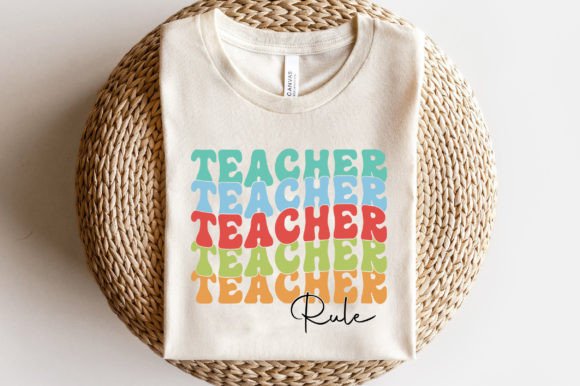
As a professional embroidery designer and product reviewer, I approach every new digital asset with a critical eye. When evaluating the Teacher Rule SVG Design for real-world application, my first thought is not just about how it looks on a screen, but how it will translate through the needle. This design falls squarely within the Crafts and Graphics categories, but its true test lies in physical execution. The layout suggests a playful yet structured aesthetic that immediately brings to mind classroom decor, teacher appreciation gifts, and personalized apparel for educators. Visually, it strikes a balance between whimsy and professionalism, which is essential when creating items that adults will wear or use daily. The typography appears bold enough to withstand digitizing without losing legibility, a common pitfall in text-heavy machine embroidery design files.
First Impressions and Digital Versatility
Upon opening the download, which includes SVG, EPS, DXF, and PNG formats, the versatility of this graphic becomes apparent. For those of us running a craft business or managing an Etsy shop, having multiple file types is non-negotiable. The SVG and DXF files are ready for cutting machines if you plan to create vinyl decals or heat transfer versions, while the PNG serves as an excellent high-resolution reference for printable mockups. However, as an embroidery specialist, I am looking at the vector lines to anticipate stitch paths. The clean lines in this Teacher Rule SVG Design suggest it could be digitized effectively as either a full fill stitch piece or a mixed-media applique design. The visual weight feels appropriate for mid-weight fabrics, avoiding the overly dense saturation that can cause puckering on lighter materials. It has a distinct personality that would resonate well with buyers looking for handmade products that feel custom rather than mass-produced.
Real-World Application: The Canvas Tote Test
To truly judge this design, I mentally placed it in a specific production scenario: embroidering a natural canvas tote bag for a teacher retirement gift. Tote bags are a staple small shop product, but they present unique challenges due to the coarse fabric texture and lack of stretch. In this context, the Teacher Rule SVG Design needs to hold its own against the weave of the canvas. If I were stitching this out, I would likely opt for a bold satin stitch border with a lighter fill stitch interior to prevent the bag from becoming too stiff. The design’s composition allows for easy centering, which is crucial when hooping bulky items like bags where visibility is limited.
For a sweatshirt embroidery project, the considerations shift. Fleece and French terry fabrics have nap and stretch. Here, the design’s clarity is paramount. I would evaluate whether the lettering in the Teacher Rule SVG Design is thick enough to sink slightly into the fleece without disappearing. If the font details are too intricate, they might get lost after washing. This design appears to have sufficient spacing between elements to accommodate the push-and-pull compensation necessary for stable stitching on knit fabrics. As a personalized gift, this level of forethought ensures the finished product maintains its integrity and visual appeal long after the initial gifting moment.
Fabric Considerations and Technical Constraints
While this design shows great promise, there are environments where caution is required. Not every embroidery file performs equally across all substrates. When considering baby embroidery or lightweight summer tees, you must assess stitch density. If the Teacher Rule SVG Design is digitized with high-density fill stitches, it could create a bulletproof patch effect on thin cotton jersey, leading to discomfort and potential fabric tearing. Always check your software’s density settings before committing to delicate garments. Similarly, dark fabrics require careful thread color planning. High contrast is necessary for readability, but metallic or variegated threads might obscure fine details in the artwork.
Curved surfaces like caps also demand scrutiny. Flat designs do not always wrap well around the curved brim area. Before using this Teacher Rule SVG Design for hat embroidery, verify that the vertical height fits within your cap frame’s safe zone and that the text baseline isn’t so straight that it looks distorted when wrapped. Textured fabrics like burlap or linen require a heavier stabilizer and potentially a topping to keep the stitches from sinking. If you are producing commercial embroidery for sale, testing on scrap fabric identical to your final product is the only way to guarantee quality. Never assume a digital preview equates to a flawless stitch-out on challenging materials.
Business Value and Professional Presentation
For Etsy sellers and creative entrepreneurs, the value of a design extends beyond the stitch count. It encompasses brand consistency and customer trust. Using a cohesive design asset like the Teacher Rule SVG Design helps build a recognizable shop identity. When customers see consistent styling across tote bags, mugs, and apparel, they perceive higher professionalism. The included PNG format is particularly valuable here for creating accurate listing photos. Buyers want to see what they are purchasing; a clear, well-lit mockup or photo of a finished product builds confidence far better than a generic digital rendering.
Furthermore, understanding licensing is critical for any craft business. Before listing items made with this design, confirm whether your purchase includes commercial rights for physical products versus digital redistribution. Protecting your business means respecting intellectual property. Assuming you have the correct license, this design offers strong giftability. Teacher-themed items peak seasonally during back-to-school and end-of-year periods, but they also sell year-round as personalized gifts for mentors, tutors, and homeschool parents. The broad appeal makes it a reliable inventory staple for handmade shops.
Designer Notes for Optimal Results
To maximize success with the Teacher Rule SVG Design, adhere to these practical guidelines derived from professional experience:
- Stabilizer Selection: Match your stabilizer to the fabric weight. Use cut-away for knits and sweatshirts to prevent distortion, and tear-away for stable wovens like canvas or denim.
- Thread Contrast: Test thread colors against the garment background before the final run. What looks good on a white screen may vanish on a cream fabric.
- Hoop Size Verification: Ensure the design dimensions fit comfortably within your hoop size with adequate margin for gripping. Over-tightening can distort the design registration.
- Detail Inspection: Zoom in on the digital file to check for overlapping nodes or tiny gaps that could cause thread breaks or registration errors during stitching.
- Mockup Testing: Create black and white mockups to evaluate value contrast independent of color. This reveals whether the design relies too heavily on hue differentiation.
- Wash Testing: If selling baby clothes or kitchen towels, wash and dry a test sample to ensure the stitch density holds up and the fabric doesn't pucker post-laundry.
- Licensing Confirmation: Double-check the terms included in your download regarding commercial use of finished products versus digital file sharing.
Ultimately, the Teacher Rule SVG Design represents a solid opportunity for makers who understand the translation from screen to stitch. By respecting fabric limitations, verifying technical specifications, and presenting the finished product professionally, this graphic can become a cornerstone of a successful embroidery lineup. Whether you are crafting a single holiday gift or stocking a boutique collection, thoughtful execution is what separates amateur attempts from professional-grade merchandise. Take the time to test, adjust, and refine, and this design will serve your creative business well.