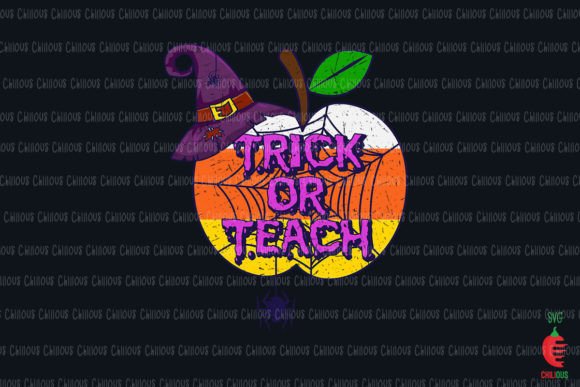
Trick or Teach Apple Candy Corn: A Stitch Review
As an embroidery digitizer and product reviewer, I approach every new graphic with a specific question: will this actually stitch out cleanly on a finished product? When evaluating the Trick or Teach Apple Candy Corn design, my focus shifts immediately from the screen to the hoop. This machine embroidery design occupies a unique niche, blending the wholesome aesthetic of back-to-school season with the playful nostalgia of Halloween. For craft business owners and Etsy sellers, this crossover appeal is valuable, but only if the technical execution holds up under real-world stitching conditions.
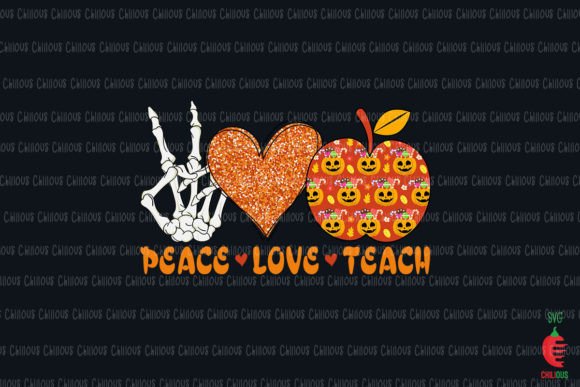
My first impression of this artwork is that it carries a distinct visual personality. It avoids the overly spooky tropes of traditional Halloween graphics, leaning instead into a "teacher chic" vibe that feels appropriate for classroom settings, fall festivals, and autumn boutique collections. The combination of apple and candy corn motifs suggests a color palette rich in reds, oranges, yellows, and creams. However, as any experienced apparel decorator knows, a pretty vector file does not always translate to a beautiful embroidered patch or sweatshirt embroidery. The true test lies in how these shapes interact with fabric texture and stabilizer.
Real-World Application: The Teacher Tote Test
To properly evaluate this design, I mentally placed it in a specific scenario: creating a custom embroidered tote bag for a teacher appreciation gift or a fall craft fair item. Tote bags are a staple handmade product, but they present unique challenges due to canvas weight and potential seam interference. In this context, Trick or Teach Apple Candy Corn needs to serve as a focal point without overwhelming the utility of the bag.
If utilizing this as an applique design, the layout appears conducive to layered fabrics, which adds dimension and reduces overall stitch density. This is crucial for tote bags where excessive thread can make the fabric stiff or pucker. Alternatively, if executed as a full fill stitch design, I would be looking closely at the underlay. A proper foundation is non-negotiable here to prevent the candy corn stripes from distorting on the canvas grain. For a personalized gift like this, clarity is everything. If the separation between the apple shape and the candy corn accent blurs during stitching, the professional finish is lost. This design seems best suited for medium-to-large hoop sizes where these details have room to breathe.
Fabric Compatibility and Technical Caution Zones
While this graphics asset shines on stable substrates, caution is required when adapting it for other commercial embroidery projects. I would hesitate to use this design on highly textured fabrics like terry cloth or fleece without significant modification. The intricate boundaries typical of apple and candy corn illustrations can get lost in high-pile fabrics, resulting in a muddy appearance rather than crisp definition.
Stretchy fabrics also demand attention. If you are planning sweatshirt embroidery or baby embroidery using this file, you must account for fabric push-and-pull. Curved elements in the apple shape may distort if the digitizing does not include adequate compensation stitches. Always verify the stitch density before committing to a production run. Dense satin stitches on knitwear can cause tunneling, while running stitches might disappear entirely. For dark fabrics, ensure the design includes a light-colored outline or background element; otherwise, the classic orange and yellow candy corn tones may lack contrast against navy or black apparel.
Small hoop sizes are another area requiring scrutiny. While the concept is adorable, scaling down complex seasonal designs often compromises legibility and stitch integrity. Tiny lettering or thin connecting lines in the Trick or Teach Apple Candy Corn motif may need to be removed or simplified for 4x4 hoops. Never assume a digital embroidery file is universally scalable; always test on scrap fabric that matches your final project's weight and weave.
Elevating Product Value Through Presentation
Beyond the mechanics of stitching, we must consider how this design impacts buyer engagement and perceived value. For Etsy sellers and small shop product creators, visual appeal drives sales. This design taps into current trends regarding teacher life and cozy fall aesthetics, making it highly marketable. However, customer trust is built on quality. A well-stitched version of this design signals professionalism, whereas a poorly executed one suggests amateurism.
When listing finished products, your printable mockup should accurately represent the stitch texture. Buyers want to see how the thread colors interact, not just a flat digital preview. Highlighting the tactile nature of the embroidery—perhaps showing the sheen of rayon thread on the candy corn segments or the matte finish of cotton thread on the apple—can differentiate your listing from competitors selling generic print-on-demand items. This attention to detail transforms a simple holiday embroidery project into a premium handmade product.
Designer Notes for Successful Execution
Before loading this embroidery file into your machine for a client order or inventory build, adhere to these practical checkpoints:
- Verify Licensing: Confirm whether your purchase includes commercial rights for selling finished physical products versus digital assets. Terms vary significantly between designers.
- Stabilizer Selection: Match your backing to the fabric. Use cut-away for knits and tear-away for wovens. For the tote bag scenario mentioned earlier, a medium-weight fusible mesh often provides the best balance of stability and drape.
- Thread Color Contrast: Test your palette on actual fabric swatches. Screen colors are deceptive. Ensure the distinction between the apple red and candy corn orange is visible in natural lighting.
- Mockup Testing: Create black and white mockups to check value contrast. If the design looks flat in grayscale, it will likely look flat when stitched, regardless of thread vibrancy.
- Detail Inspection: Zoom in on the digital file to check for overlapping stitches or unnecessary jumps. Clean digitizing saves time and thread.
Ultimately, Trick or Teach Apple Candy Corn offers a versatile foundation for autumn and educational themed crafts. Its success, however, depends entirely on your technical diligence. Whether you are producing custom apparel, nursery decor, or holiday gifts, treat this design as a starting point rather than a guaranteed outcome. By respecting the relationship between the digital file, the stabilizer, and the fabric, you ensure that your finished product honors both the artistry of the original graphic and the expectations of your customers. Always prioritize a test stitch-out over assumptions, and let the quality of your craftsmanship define your brand.